


.svg)
.gif)

The tequila category has matured into a premium global spirits market while continuing to expand. According to industry research, the global tequila market was about $10.5 billion in 2023 and is projected to grow at roughly a 9-10% CAGR through 2030. This makes tequila one of the fastest-growing major spirit categories, even though it still represents only a few percent of total global spirits sales. The United States remains the single largest market, driving roughly 60-67% of global tequila sales. In fact, U.S. demand was so strong in 2023 that tequila (together with mezcal) surpassed whiskey to become the #2 spirit by value in America - second only to vodka.
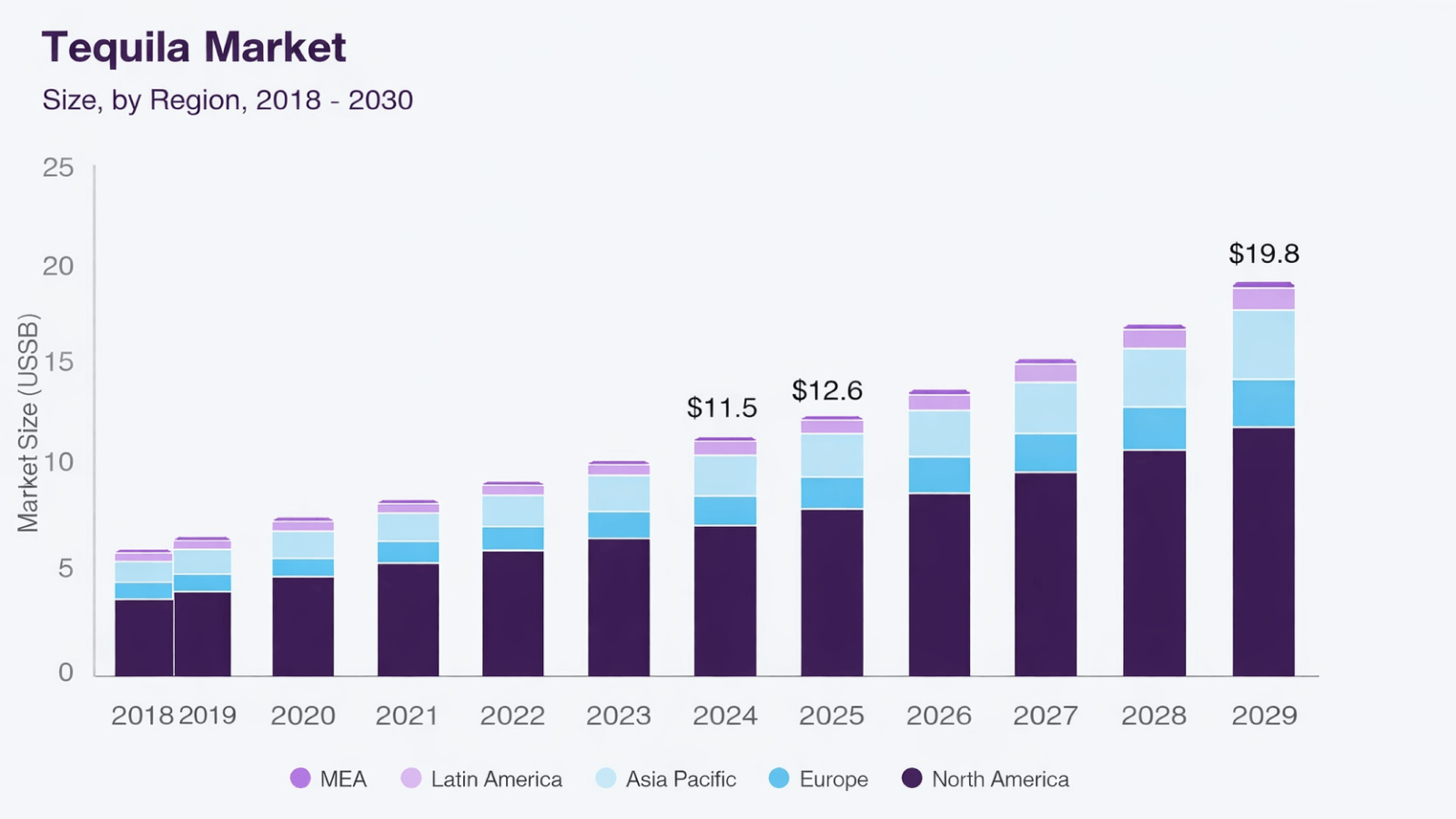
Premiumization has been the key driver: many consumers have traded up from value tequilas to high-end and ultra-premium brands. For example, over half of U.S. adults aged 18-34 now prefer premium or super-premium tequila, and more than 60% of U.S. spirits revenue comes from premium segments. As a result, U.S. tequila volume roughly doubled from 2019 to 2023 (from ~20 million to 30 million 9L cases). By late 2024, however, that torrid growth showed signs of easing, with many analysts predicting single-digit volume growth in 2025-2026 instead of the double-digit gains of earlier years. In short, tequila remains a dynamic but more mature category: broad-based growth has given way to a plateauing in volume, even as value and prestige continue to rise.
Major tequila producers like José Cuervo, Patrón, Don Julio, and Sauza still dominate the market, but new entrants and craft brands have eaten into their share. For instance, José Cuervo sold ~9.5 million cases in 2023 - nearly three times the volume of the next-largest label. Yet high-growth smaller brands (e.g. Lunazul, Milagro, Mi Campo, Gran Coramino) have been expanding quickly (some over 25% annually). Consumers have an unprecedented variety of tequilas available across price tiers and styles. The narrative shifts in tequila’s growth trajectory mean that brand owners must now focus on long-term brand equity and portfolio balance. In practice, this means curbing the proliferation of ultra-luxury, $200+ bottles and instead ensuring a balanced range of popular core expressions alongside a few genuinely super-premium offerings. The market will reward brands that offer authenticity and value rather than chasing novelty for its own sake.
The Celebrity Equation: Evolving Strategies Beyond Star Power
Tequila’s explosive growth in the early 2020s was fueled in part by a wave of celebrity-backed launches. High-profile names like George Clooney (Casamigos), Dwayne “The Rock” Johnson (Teremana), Kendall Jenner (818), and others helped introduce many drinkers to tequila and lent instant visibility to the category. Celebrity tequilas dramatically outperformed the general market while demand was surging. Industry analysts report that celebrity-backed tequilas grew by 40% in 2022 - roughly three times the rate of the broader tequila category (13%). Even in 2023, when category growth slowed, star-branded tequilas still grew 16% vs. 3% for the category overall. Iconic cases like Casamigos demonstrate the power of this effect: co-founded by Clooney and sold to Diageo for up to $1 billion in 2017, Casamigos rapidly expanded its sales by leveraging the Clooney brand and premium positioning.
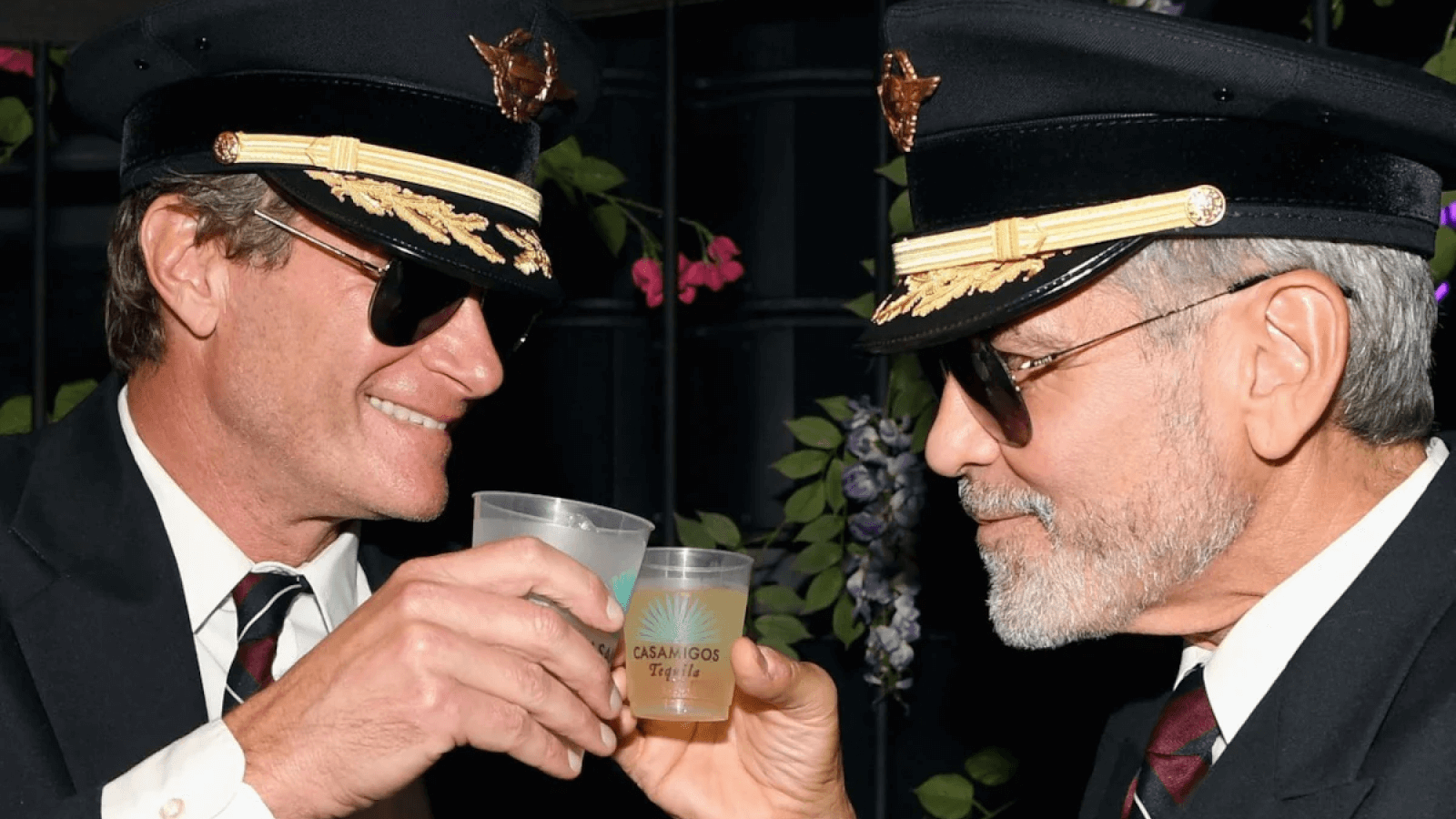
However, by 2024-2026 the “celebrity multiplier” is showing limits. IWSR insight suggests that as tequila’s boom moderates, fame alone no longer guarantees success. Some newer celebrity tequilas (notably those without authentic stories or unique product quality) have struggled to gain traction. As one industry forecast warns, “Fame alone won’t guarantee success” for brands now. The implication for marketers is clear: celebrity involvement can jump-start awareness, but sustained growth requires substance. Moving forward, tequila brands with celebrity ties are emphasizing the personalities’ real engagement and credibility. In other words, modern strategies pair star power with authentic storytelling and hands-on involvement. Brands must highlight who actually makes the tequila and how it’s made (e.g. showcasing master distillers or jimadores) to reinforce that even famous faces are committed to quality and tradition. A superficial celebrity endorsement is no longer enough - savvy consumers will reward tequila labels that combine star appeal with genuine artisanal credentials.
Notably, this dynamic creates opportunities for non-celebrity and craft brands as well. Some new entrants are differentiating by eschewing any celebrity tie-ins, instead focusing purely on provenance and purity. These brands (sometimes humorously dubbed “anti-celebrity tequilas”) appeal to drinkers who want to believe in the product itself rather than a name. Whatever the approach, the key strategic lesson is that celebrity or influencer marketing should amplify a tequila’s inherent story rather than mask its lack of one. In short, brand owners should use star partnerships judiciously - ensuring that every celebrity-backed expression still delivers the taste profile, 100% agave heritage, and brand narrative that discerning consumers increasingly demand.
Beyond the U.S.: Emerging Markets and Localization
Although the U.S. dominates tequila sales, savvy producers are eyeing new frontiers. North America (mostly the U.S.) currently accounts for roughly 60-67% of global tequila sales, but growth opportunities are strongest overseas. Europe, Asia, and Latin America are all gradually adopting tequila into local drinking cultures. In Europe, for example, growing cocktail culture and the premium spirits trend have lifted tequila imports. Several European markets (particularly the UK and Spain) have seen double-digit import growth. Premium tequila now accounts for over half of Europe’s tequila value, and well-known brands are running cocktail-focused campaigns (e.g. Patrón’s Margarita and Paloma promotions in the UK) to educate consumers. Industry data shows that EU tequila imports jumped significantly in recent years, driven by on-trade mixologists and curious drinkers. Part of tequila’s success in Europe comes from legal protection (a Tequila Denomination of Origin recognized by the EU) that assures buyers they’re getting authentic Mexican agave spirit. Even though Europe still lags the U.S. in volume, its share is growing steadily, especially in premium segments.
Farther east, Asia-Pacific is widely expected to be tequila’s fastest-growing region. Research projections put China’s tequila market at around $648 million in 2024, climbing to $1.18 billion by 2030 (a ~10.5% CAGR). China already accounts for over 5% of global tequila sales. India, though starting from a smaller base, is also booming - forecasts project India’s tequila market reaching about $721 million by 2030, the highest growth rate in Asia. Elsewhere in APAC (Japan, South Korea, Australia, Singapore, etc.), tequila is becoming a trendy high-end spirit in bars and restaurants. Diageo reports tequila as its fastest-growing category in Asia-Pacific (in 2022). Upscale cocktail lounges in Shanghai, Seoul, and Bangkok now routinely feature tequila cocktails (Palomas, Luchadors, etc.) or premium shot rituals. Importers are forging local partnerships, and many brands have begun offering smooth expressions or white-label aged tequilas tailored to Asian palates.
In Latin America outside Mexico, tequila’s expansion is more limited but present. Canada’s tequila market grows in tandem with the U.S. trend, though from a smaller base. Some South American countries (Brazil, Colombia, Chile) are experimenting with tequila as a cocktail spirit rather than a staple. For instance, in Brazil tequila is sometimes used as an exotic twist in caipirinha-style drinks. Localization efforts in each region include multilingual marketing, regional distillery tours (e.g. Mexican distillery visits for Chinese tour groups), and packaging variants. Overall, tequila’s global footprint is broadening: brand owners planning for 2026 should prioritize education and local engagement. Working with local bartenders, hosting tasting events, and developing country-specific campaigns can help accelerate adoption. In all cases, success abroad requires respecting local tastes: not every market wants a spicy chili tequila or a super-aged extra-añejo. Instead, brands are emphasizing smoother blancos or mixto-friendly reposados in new regions while telling the story of agave terroir to intrigued consumers.
Experiential Authenticity: Heritage, Terroir, and Transparency
For today’s tequila buyer, the drinking experience is just as important as the liquid. Consumers increasingly seek authenticity and connection to the origin of their spirit. This “experiential authenticity” means telling the story of who, how, and why - who grew the agave and distilled the tequila, how it was made, and why the brand stands for something beyond profit. Emphasizing the Mexican heritage of tequila is now a powerful marketing tool. Many brands highlight their Denomination of Origin, showing maps of Jalisco’s Highlands and Lowlands, and profile their jimadores and master distillers as artisans. By bringing these people and places to life (through videos, photos, and distillery tourism), brands tap into consumers’ desire to feel part of tequila’s tradition. In fact, one industry analysis notes that “terroir-driven narratives” and clear production transparency will be crucial for differentiation in a crowded market.
Visual and experiential elements are key. For example, upscale bars and distilleries are curating tequila tasting flights like a wine sommelier would, underscoring how soil, climate and agave variety affect flavor. Master distiller dinners, agave field tours, and even tequila art exhibitions (influenced by Oaxaca’s culture, though separate) reinforce this authenticity. Conservation of tradition also resonates: tequileros who maintain century-old pot-still methods or adopt ancient fermentation with wild yeasts often promote these details front-and-center. Consumers also demand purity. “100% agave” labeling, additive-free claims, and certifications (organic, sustainable) are selling points. Brands proudly display certificates from the Tequila Regulatory Council or organic certifiers and encourage visitors to glimpse the distilling process in glass-walled studios. As one tequila brand consultant put it, modern drinkers want to know “who made it, how it’s crafted, and why it exists”. The more a tequila brand can offer a transparent window into its craft - from agave field to bottle - the more it can justify its premium and build trust.
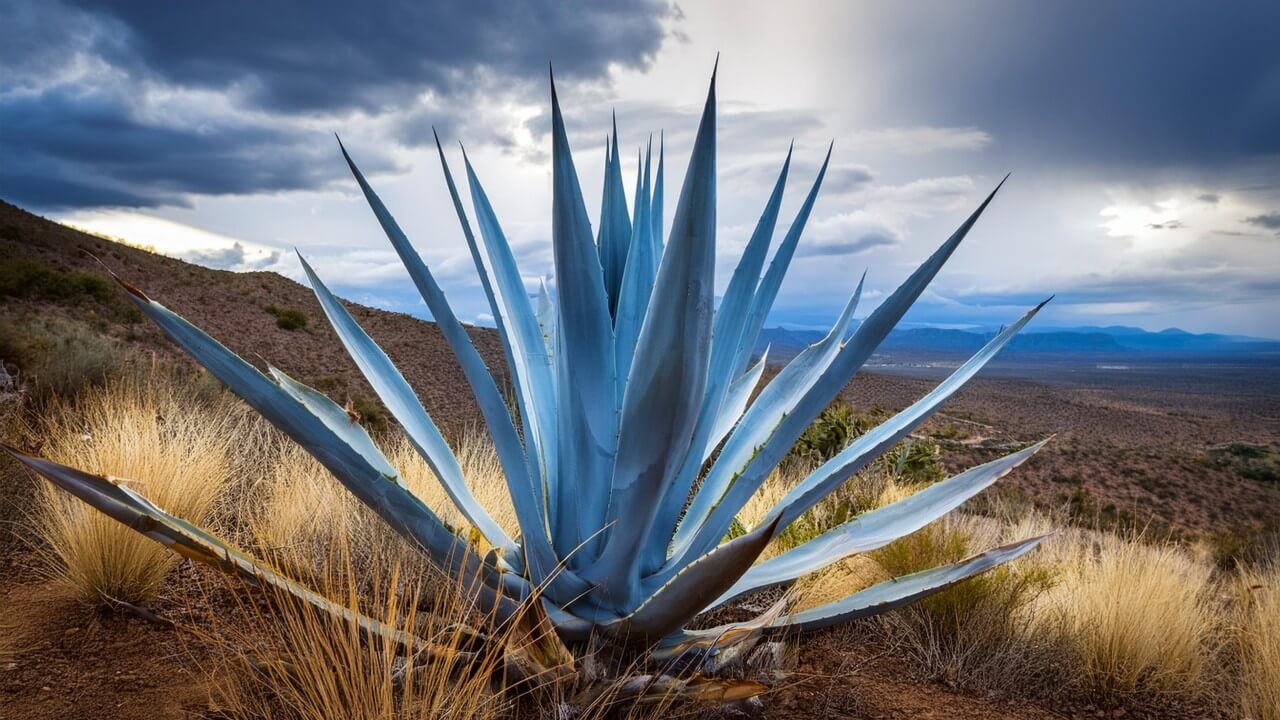
Tequila’s identity is deeply tied to its Mexican terroir. Blue Weber agave thrives at high altitudes in Jalisco’s volcanic soils, and many brands feature imagery of these agave fields and the Sierra Madre mountains in their branding (as shown above). By showcasing unique regional elements - for instance, the difference between Los Altos (Highlands) versus El Valle (Valley) agaves - tequila labels educate consumers about the nuances of terroir. Visitors to the town of Tequila or the Valle de Guadalupe also fuel the trend: those who make “agave pilgrimages” return with stories that drive social media buzz. In marketing materials, emphasizing sustainability practices (e.g. drip irrigation, replanting programs) alongside terroir reinforces a narrative of respect for the land. The upshot is that heritage, terroir, and transparency are no longer optional extras - they are foundational aspects of a tequila brand’s identity in 2026.
Innovation and Diversification: Cocktails, RTDs, and Next-Gen Formats
While sipping premium tequila neat is part of the ritual, cocktails and new formats are crucial for growth. The classic Margarita remains the top tequila-based cocktail globally, but mixologists and brands are pushing many variations. Bartenders’ creativity - from the smoky Mezcal Mojito to the spicy L.A. Mule - continues to spark consumer interest in tequila. Social media has helped here: Tequila cocktails (often vibrant and photogenic) regularly trend on Instagram and TikTok, enticing new drinkers. One report notes that “tequila-based drinks (from classic margaritas to creative infusions) are trending”, introducing new consumers to the category.
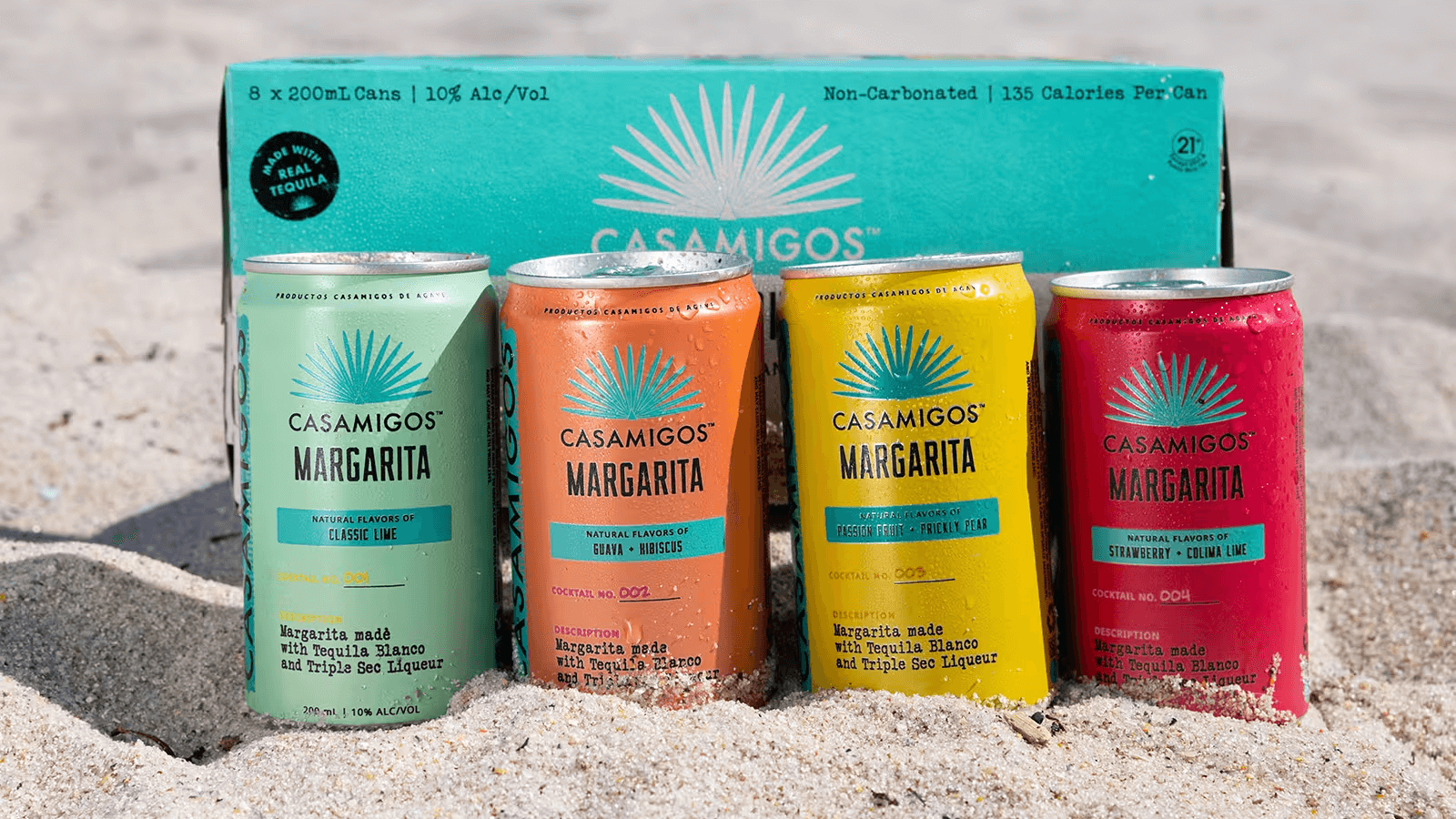
On the product side, major tequila houses are expanding beyond straight spirits. Ready-to-drink (RTD) tequila cocktails in cans are booming. Consumers - especially younger, convenience-driven buyers - are embracing premixed margaritas, Palomas, and other agave cocktails. Market analyses predict large growth in this segment; for example, the availability of canned tequila cocktails is “luring the attention of the younger demographic” and is expected to “soar the global tequila market” over the coming years. Brands like Casamigos and Jose Cuervo have launched canned Margarita and Paloma variants, and even DTC players now sell tequila soda and mixed-drink packs online. This RTD momentum ties into broader trends: BottlePOS data highlights that online shoppers have a particular appetite for RTDs, tequila and mezcal.
Flavor innovation within tequila itself is another growth vector. Flavored or infused tequilas - for instance, pepper-, fruit-, or herb-infused blancos - have moved from novelty to a recognized niche. Some producers also experiment with new aging techniques, such as using unusual barrels (saffron, wine casks, rum barrels) or releasing more Cristalino (filtered aged) expressions. These creative spin-offs keep sophisticated consumers engaged. Large brands and distillers are betting on this innovation: for example, Diageo’s tequila brands continually introduce new finishs and flavors, knowing that variety can entice collectors who “have tasted it all”. Even the rise of low-ABV and non-alcoholic mixers is acknowledged: tequila “adjacent” products (tequila-infused seltzers or botanical spritzes with agave nectar, etc.) are emerging to capture health-conscious drinkers.
In summary, diversification for tequila means meeting consumers where they drink. Whether that’s a can in one hand at a beach party, a luxurious tequila martini at a cocktail bar, or a smoky mezcal-style shot, tequila brands are broadening their portfolio. The most successful will be those offering both classic blanco/añejo options and inventive formats (RTDs, flavored versions, novel cask finishes), each clearly positioned for different occasions. This multi-format strategy helps tequila brands capture more real estate in consumers’ lifestyles, beyond just “a tequila on the rocks”.
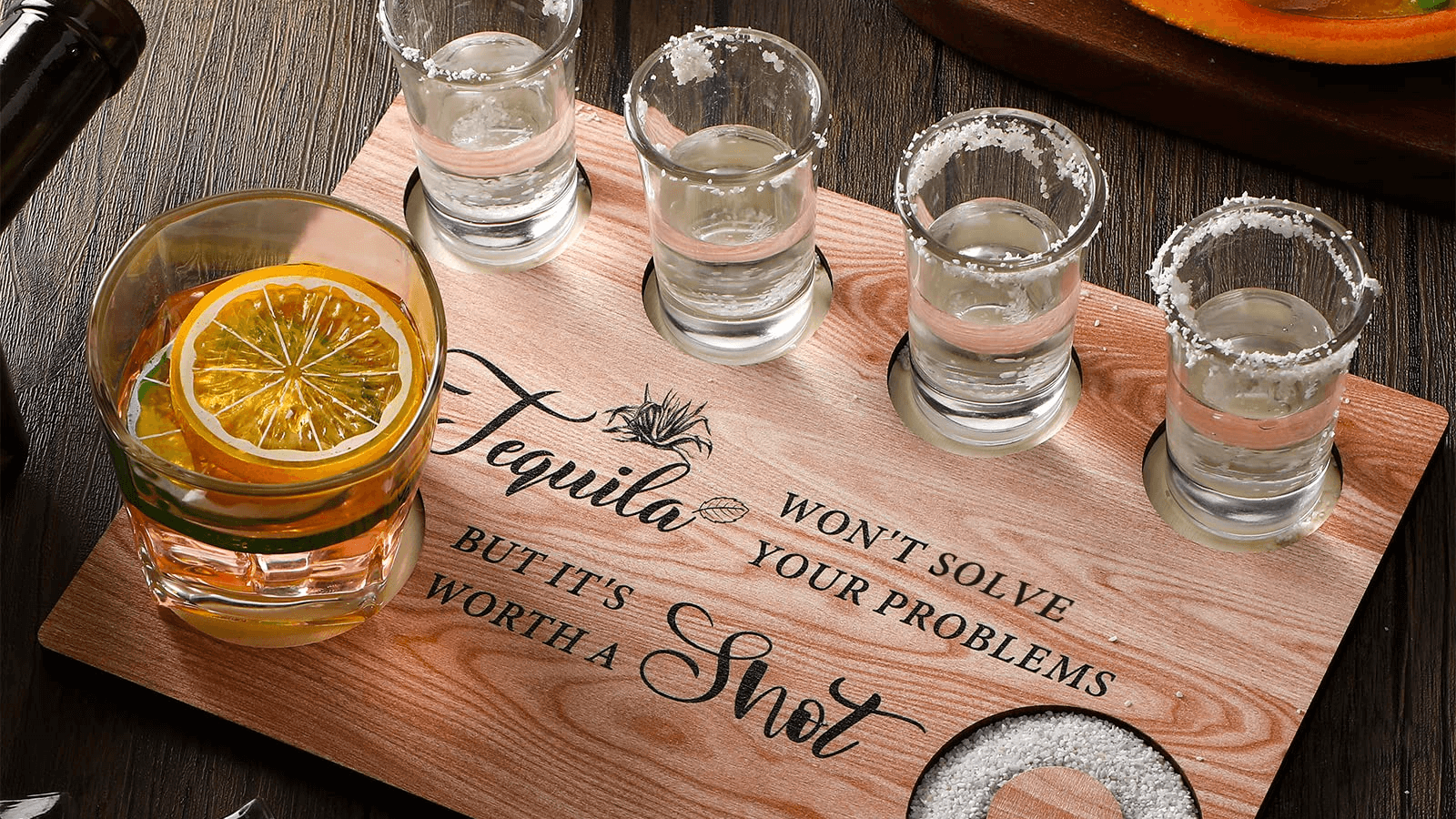
Innovating beyond the shot glass is crucial. As shown above, ready-to-drink cocktails (like margaritas with fresh lime) and creative presentations (infused or mezcal-collaboration cocktails) are bringing tequila to new audiences. In the next few years we expect more premium tequila seltzers, canned Palomas, mezcal-inspired spritzes, and even tropical-flavor blends. Brand owners should watch for collaborations with mixology-focused companies and limited-release cocktail kits that turn tequila tasting into an experience.
Sustainability and Agave Supply: Climate Resilience and Community Impact
Long-term tequila planning must account for two critical sustainability issues: the agave supply chain and community well-being. Agave (blue Weber) is a slow-growing cactus that takes 6-8 years (or more) to mature. The mid-2010s tequila boom led to waves of agave planting - and eventual oversupply. By 2022 the industry had millions of liters of tequila stored in aging barrels (sometimes called the “tequila lake”), which actually caused raw agave prices to fall as producers raced to catch demand. In fact, Mexico’s government reported a slowdown in agave planting around 2023 as supply caught up with demand. For brand owners, this means 2026 will likely see more stable agave availability and prices than the panic-buying shortages of a few years ago. One market analysis notes that agave supply has “stabilized, with falling agave prices and easing raw material pressure”.
Despite this stabilization, climate resilience remains a concern. Rising temperatures, irregular rainfall and pests (like the agave weevil) can threaten harvests. Sustainable agriculture practices are becoming essential. Many tequila companies have adopted water-conserving irrigation, reforestation programs around agave fields, and integrated pest management to protect soils. Notably, the Tequila Regulatory Council (CRT) has set an industry-wide goal for 100% of tequila production to be certified deforestation-free by 2027. This reflects efforts to ensure that agave expansion does not come at the cost of cutting forests for new fields. Some brands are even achieving organic certification or planting native trees to support the ecosystem of the agave geographies.
Equally important is the human sustainability factor. The tequila heartland in Jalisco and neighboring states is home to many agave farmers and distillery workers. There is growing awareness that social responsibility strengthens brands. In late 2025 the industry saw the launch of the “Good Agave Pledge”, led by the Gente Buena Foundation, which asks tequila producers to commit to better wages, safer working conditions and community investments for farm workers. Over a dozen leading tequila companies have signed on to this pledge. Marketing transparency about these efforts can resonate with consumers. For example, some brands now highlight that they pay a premium above fair-trade prices to farmers, or that they donate a portion of profits to rural education. As Millennials and Gen Z consumers become the biggest buyers of tequila, they reward brands that pay it forward in agave-growing regions.
Behind the scenes of tequila production, stewardship of the land is paramount. Healthy soil and plants are fundamental. Tequila brands are increasingly telling stories of environmental care - whether it’s solar panels at distilleries, responsible waste-fiber use, or water recycling in bottling plants. When consumers read about a tequila being made from “regenerative agriculture” or see symbols for “Rainforest Alliance” or “zero deforestation”, it reinforces brand trust.
In short, in 2026 tequila brands must demonstrate real sustainability. Consumers are watching not only for pure taste, but for brands that can survive climate pressures and uplift the Mexican communities where tequila is born. Those that take meaningful action on agave supply and social good will build stronger loyalty and mitigate future risks.
Digital Transformation: E‑commerce, Social Media, and Consumer Engagement
Tequila’s marketing in 2026 is inseparable from digital and social channels. The same consumers who drive premium tequila sales - young, affluent, tech-savvy drinkers - do much of their research and purchasing online. E-commerce has become a mainstream channel for spirits, accelerated by pandemic habits. In the U.S. alone, online alcohol sales are projected to reach about $36 billion by 2028, with tequila and mezcal among the fastest-growing categories in that channel. Major tequila brands have ramped up their direct-to-consumer (DTC) efforts: many now sell limited releases and branded merch on their own websites, often with DTC-only offers. Third-party delivery and subscription services (e.g. Drizly, ReserveBar) have expanded tequila’s reach into new customer segments who prefer at-home consumption. According to industry data, nearly 60% of adults in 2025 have ordered alcohol online in the past six months - a number that will climb.
Social media is equally critical. Tequila brands invest heavily in Instagram and TikTok marketing, with both celebrities and bartenders promoting their products. One market report notes that “surging marketing of tequila through celebrity/influencer endorsements on social media (especially Instagram) has been a major promotion method in recent years”. Even brands without a celebrity founder use social platforms to great effect: they create interactive content (e.g. mixology tutorials, tequila trivia), engage in TikTok trends, and partner with lifestyle influencers to make tequila a must-have element of parties and celebrations. Online campaigns often focus on visuals (sunset shots with tequila glasses, hand-held margaritas) to capture the aspirational vibe of tequila.
Brands are also using digital technology for consumer engagement and feedback. Many have launched mobile apps or interactive websites featuring cocktail recipes, distillery tours, and “ask a mixologist” chatbots. Data from liquor point-of-sale systems is increasingly integrated into online marketing: retailers send personalized emails suggesting tequila pairings, or loyalty apps offer exclusive virtual tastings. The upshot is that engagement is becoming omnichannel. A customer might discover a tequila on Instagram, research it on a brand’s website, purchase a limited batch through DTC, and then share their review online - all powered by digital connectivity.
To illustrate the impact, industry analyses highlight that younger consumers show disproportionate interest in digitally-savvy products: “RTDs, tequila, mezcal, and non-alcoholic options” are hot trends online. Another data point: tequila and mezcal sales are outpacing other spirits in the U.S., largely because younger drinkers appreciate their convenience and boldness. In practice, tequila brands should prioritize strong social media storytelling, e-commerce optimization, and digital community-building. Having a seamless online purchase funnel and active customer support (even AI chatbots) can turn curious browsers into loyal buyers. In short, the digital sphere is now a first-class route to market for tequila, and brands that neglect it risk losing share to more digitally-savvy competitors.
Trade & Tariffs: Global Policy Shifts and 2026 Outlook
Tequila’s international trade environment remains in flux, and brand owners must stay alert to policy changes. In the U.S., tequila is generally exempt from import duties under the USMCA (the successor to NAFTA), since it is a certified Mexican-origin spirit. However, trade tensions could alter this. For example, there have been occasional threats of a new 25% U.S. tariff on Mexican imports (including tequila) as part of broader trade disputes. In early 2025 the U.S. “paused” a planned 25% tariff on Mexico, sparing tequila for now. Still, uncertainty remains: one analysis warned that if tariffs are imposed, “U.S. buyers will have little choice but to abandon tequila and find alternatives”. Given that U.S. imports of tequila reached about $3.8 billion (9-month 2024), a tariff could rapidly raise domestic prices by as much as 30-40% and disrupt consumption patterns.
Consultants at IWSR underscore that tequila is highly exposed to such risks. They note that tequila and other Mexican agave spirits accounted for roughly 70% of all U.S. spirits import value in 2023. In other words, U.S. demand now dominates tequila’s export market - about 69% of Mexican agave spirit exports go to the U.S.. This makes tequila uniquely vulnerable among global spirits: any U.S. tariff would hit tequila harder than most categories. (By contrast, EU or Japan might reduce their tequila imports with small effect, since they currently represent single-digit shares of exports.) IWSR concludes that tequila is “the most heavily exposed category” in case of U.S. trade curbs.
Mexico’s domestic policy and industry regulations are also key. Exporters must maintain USMCA compliance (e.g. 100% agave, approved production zones, genuine tequila ingredients) to stay duty-free. Some smaller producers or flavored tequila products using extra additives risk losing USMCA status and thus would face new tariffs. In anticipation, many tequila exporters have been stockpiling inventory and even routing shipments through other countries. On the flip side, global trade opportunities exist: recently Mexico signed new agreements (e.g. with the EU and Britain) that strengthen tequila’s protected status overseas. For example, post-Brexit UK still honors the Tequila GI, so premium brands can expand there duty-free.
Looking ahead to 2026, brand owners should monitor geopolitical shifts closely. Diversifying export markets (beyond reliance on the U.S.) is prudent. Some producers have already begun scaling up in Canada, Western Europe, and select Asian markets as a hedge. Supply chain agility will be crucial - for instance, having a Mexican bottling partner ready to ship stock to alternate ports if needed. Tariffs aside, any general increase in alcohol duties (in any country) can encourage consumers to trade down. So far, the Tequila Regulatory Council and Mexican government have been lobbying to protect tequila’s export privileges. For now, the near-term risk of new trade barriers is real but contained, and tequila sales continue to grow globally. Brand strategies in this area should focus on contingency planning and emphasizing U.S.-Mexico value (e.g. highlighting NAFTA/USMCA relationships) to mitigate any policy shocks.
Strategic Takeaways for 2026
- Emphasize Authentic Differentiators: With so many tequila options, brands must highlight genuine points of difference (terroir, traditional processes, aged styles) rather than gimmicks. Marketing should stress what makes a tequila unique - its origin, production method, or history - to justify premium positioning.
- Leverage Star Power Wisely: Celebrity involvement remains useful for brand awareness, but success in 2026 will hinge on authenticity. Partnerships with personalities should go beyond licensing; ideal celebrity partners actively participate in creating and promoting the tequila, and their public story should align with the brand’s values.
- Premiumization with Sustainability: The era of rampant price inflation for prestige bottles is cooling. Brands should temper ultra-luxury ambitions with sustainable growth. In practice, that means offering a strong core range with two or three higher-end variants (e.g. a good blanco, reposado and a premium añejo), while ensuring any super-premium releases earn their price through craftsmanship and eco-credentials (organic, fair trade, etc.).
- Globalize with Local Insight: Expanding into new markets requires tailoring. Companies should collaborate with local influencers and bartenders to introduce tequila in culturally relevant ways. They should adapt marketing to suit local tastes (e.g. less sweet mixers in Europe, tropical flavors in Asia) and create educational content (in native languages) about tequila’s heritage. Thoughtful market entry (focusing first on big growth markets like China, India and premium European cities) will pay off.
- Engage Digitally: By 2026, an omni-channel strategy is mandatory. Tequila marketers should use data-driven digital advertising (social media ads, search, email) and e-commerce channels to reach consumers. Offering online exclusives (limited edition bottles), interactive virtual tastings, and strong loyalty programs can deepen engagement. Embracing new tech - for example, NFT-based collectibles linked to rare bottlings - could also differentiate brands in the eyes of tech-oriented drinkers.
- Navigate Trade Smartly: Stay abreast of trade policy. Maintain USMCA compliance, explore production/labeling adjustments to protect export rights, and consider multi-country bottling partnerships as insurance. At the same time, lobby and educate policymakers about tequila’s cultural importance to avoid punitive measures. In short, have contingency plans (alternate markets, price strategies) in case of tariff changes.
Each of these strategic moves is grounded in the trends outlined above. The overarching theme is balance: balancing growth with responsibility, tradition with innovation, and local roots with global reach.
Conclusion: Embracing Tequila’s Next Chapter
By 2026, tequila will have solidified its status as a mature yet exciting spirits category. Growth rates may moderate, but the cumulative gains of recent years have elevated tequila into a household name for consumers worldwide. The coming years will reward tequila brands that lean into authenticity while embracing change. Those who can tell a compelling heritage story, offer innovative product formats, adopt sustainable practices, and engage customers across both traditional and digital channels will capture the next wave of tequila demand.
In practice, this means producers must be as adaptive as they are proud of their roots. Tequila’s appeal lies in its rich backstory and distinctive taste, but its future lies in relevance to today’s trends - from mindful drinking to online convenience. The industry is charting a course where heritage and innovation walk hand in hand. For alcohol marketers and brand owners, that means planning portfolios, campaigns, and logistics that honor tequila’s past even as they position it at the forefront of tomorrow’s beverage landscape.
.svg)


.png)


