


.svg)
.gif)

Hennessy Moves Cognac Out of Ritual and Into Casual Occasions
Hennessy’s new Ready-to-Serve (RTS) line reframes cognac as a daytime, social drink rather than a formal digestif. Launched June 1, 2026 in the U.S. (three 375ml flavors at $15.99 each), the “Very Special Cocktails” collection is explicitly pitched at warm-weather gatherings. As Hennessy’s CEO notes, these are “ready-to-enjoy cocktails designed for modern lifestyles” - a nod to everyday leisure. Indeed, industry data makes the rationale clear: U.S. cognac sales slid 6.5% in 2025, even as ready-to-serve cocktails leapt +22% (year to May 2026). In other words, growth has shifted to convenient, shareable formats, and Hennessy is formally acknowledging that trend.
The new cocktails - Henny-Rita (margarita-inspired), Henny Berry (mojito-inspired) and Henny Iced Tea (iced-tea-inspired) - each combine Hennessy VS cognac with bright fruit or tea flavors. By basing them on familiar occasions (margarita parties, summer barbecues, daytime patios), the brand is moving its spirit “into the occasion” of casual, daytime drinking. This sidesteps the old cognac ritual of carefully poured nightcaps, and instead invites young adult consumers to reach for Hennessy “to chill, pour and share” outside the bar. Hennessy is signaling that cognac can belong at picnic tables and pool parties as readily as it does in upscale bars.
The Strategic Bet: Premium Convenience Without Premium Dilution
The choice of format and pricing shows Hennessy trying to balance convenience with luxury cues. The 375ml glass bottles are purposely large enough for group pours (4-6 serves) but small enough (and priced below $16) that buying one feels like a casual social purchase rather than a splurge liquor run. In other words, Hennessy is “entering a convenience-led category without stripping away the premium look”. Observers note this was a savvy move: unlike canned RTDs, the glass bottle upholds Hennessy’s heritage aesthetics. The company explicitly worked hard to keep Hennessy identity front-and-center, even while easing drinkability.
Hennessy’s CEO and its master blender are on record anchoring the line in craft pedigree. Each cocktail is credited to Hennessy’s eighth-generation Master Blender, reinforcing that these are “crafted expressions” of Hennessy’s signature VS cognac, not generic mixers. This framing is deliberate: industry analysts warn that any dilution of luxury equity must be avoided when a heritage brand goes mass-convenience. In fact, one marketing review bluntly concludes that these cocktails “have to read as Hennessy first and easy summer drinks second” - otherwise they risk feeling like a fleeting gimmick rather than a true brand extension. Hennessy’s packaging and pricing strategy aim to preserve those premium cues (price, glass, branding) even as it chases higher-volume occasions.
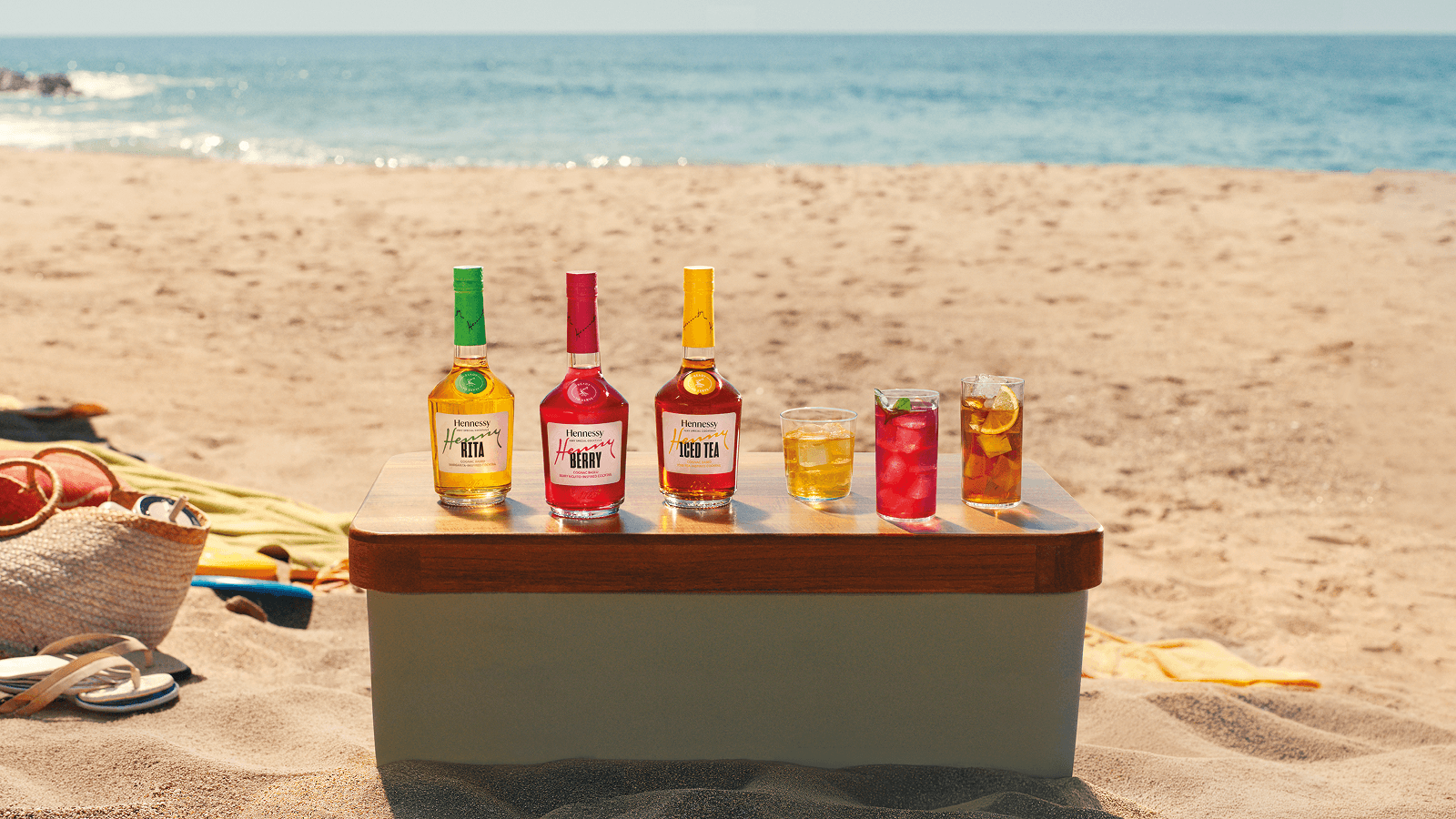
Hennessy’s new RTS cocktails are “perfect for gatherings with friends, backyard moments” - served from convenient 375 ml bottles that consumers can just chill, pour and share. The glass format visually echoes Hennessy’s core bottle, while the sub-$16 price point places these drinks alongside mid-tier canned cocktails. This premium packaging gives Hennessy a leg-up: it competes on occasion and novelty but carries the brand’s decades of trust. As one analyst notes, only spirits with “decades of consumer trust at the premium end” can confidently move into accessible formats. In sum, Hennessy’s bet is that convenience can be combined with an upscale feel - a strategy that buys easier trials without outright eroding the brand’s luxury equity.
“Henny Season” Turns Product Launch into Cultural Timing
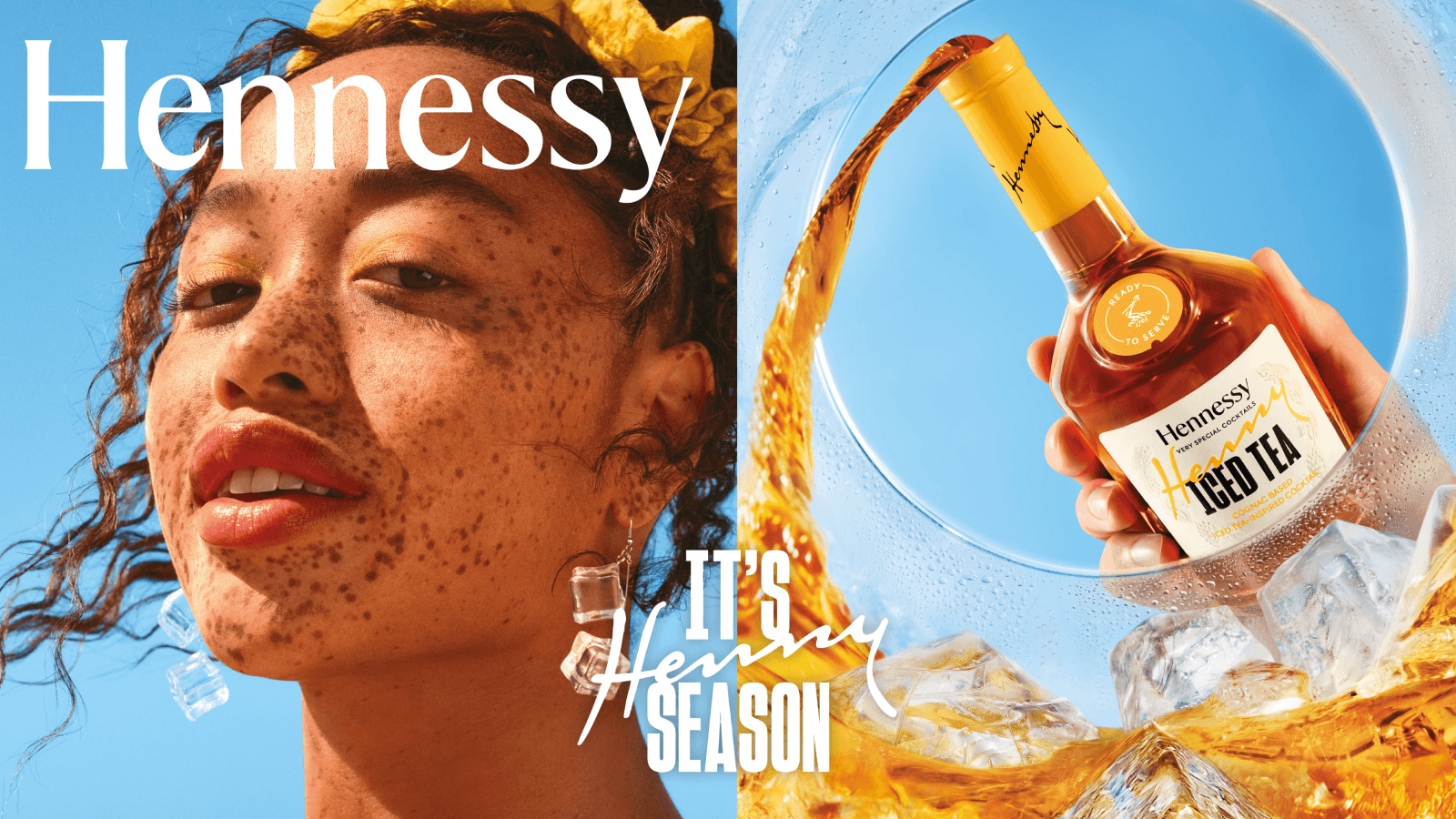
Hennessy has deliberately framed this as a feel-good summer moment. The campaign tagline “It’s Henny Season” and its vibrant visuals tie the product launch to the optimism of summer gatherings. According to the brand’s own materials, the RTD line will be supported by “colorful, optimistic experiences” with cultural ambassadors to “celebrate the connection, creativity and shared moments that define the season”. The media plan reflects this timing: ads will run across social, streaming audio and video, and out-of-home billboards in warm-weather cities (New York, Los Angeles, Miami, Atlanta) throughout summer.
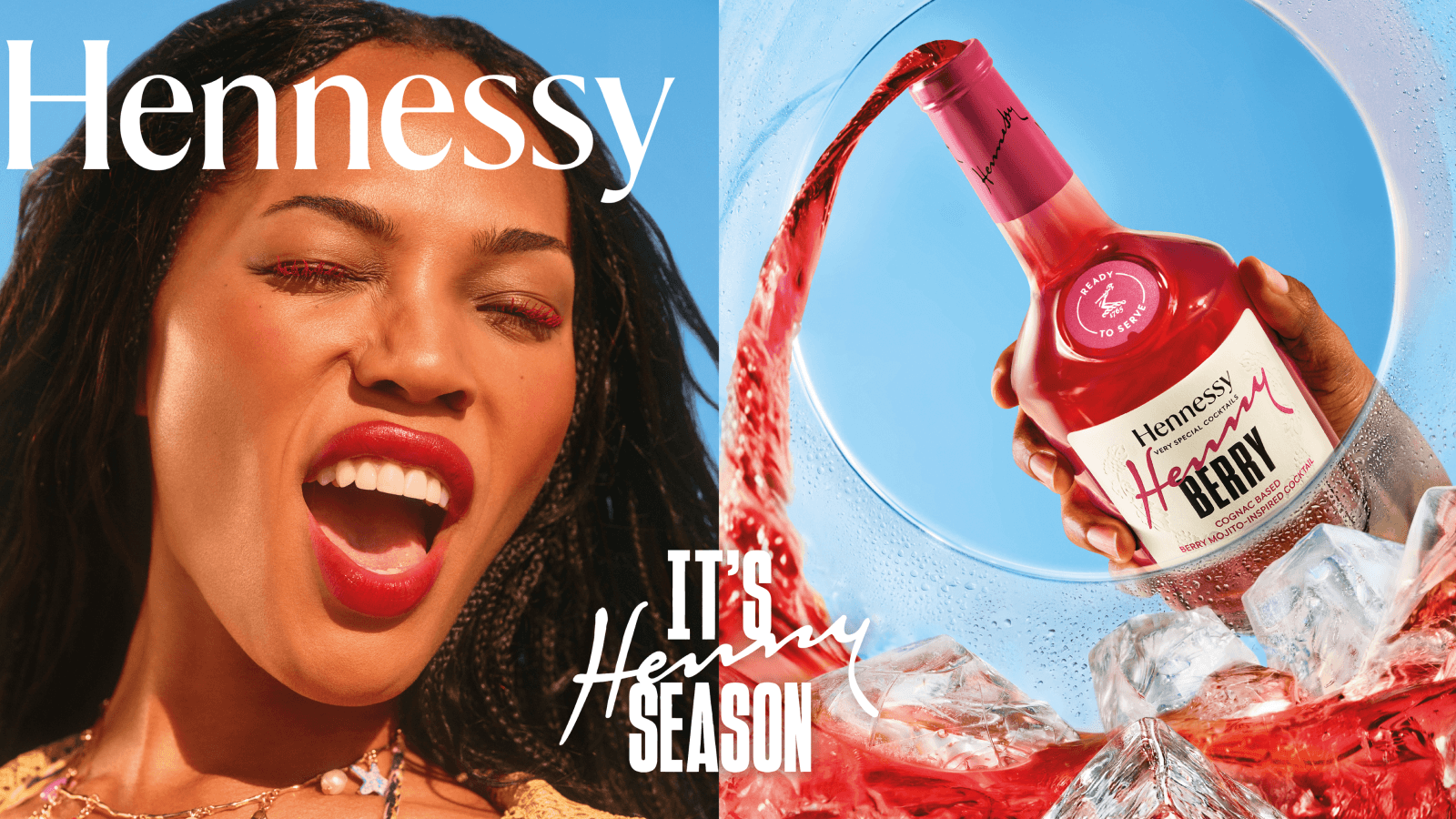
This seasonal, occasion-focused launch helps position the drinks as a choice of the moment, not just another new SKU. By debuting on June 1 and pushing through the summer, Hennessy capitalizes on Americans’ appetite for outdoor barbecues, pool parties and festivals. Even the campaign cast - filmed on beaches and lawns - reinforces that vibe. “Henny Season” turns the product launch itself into a timely cultural event: it doesn’t first dwell on product specs, but first celebrates when and how people will drink these cocktails. That helps prime consumers to see Hennessy in a new light before they even taste the cocktail.
Gen Z Voices as Product Interpreters, Not Just Influencers
A key twist in the campaign is its use of three Gen Z “rising stars” as more than pitchwomen - each is matched to a drink that suits their persona. Quenlin Blackwell (bold comedian) is paired with the Henny Berry, Salem Mitchell (fashion-forward influencer) with the Henny Iced Tea, and Michael Cimino (laid-back actor) with the Henny-Rita. This alignment is no accident: Hennessy explicitly assigns each talent to a “signature serve” that reflects their vibe. For example, Cimino’s relaxed California chill fits the margarita-like Henny-Rita, while Blackwell’s high-energy humor complements the berry-mojito Henny Berry. This signals that Hennessy is using creators as interpreters of its product personality, not just as generic endorsers.
The approach suggests Hennessy wants consumers to feel these cocktails as natural extensions of each person’s lifestyle. In effect, each talent demonstrates how their drink fits into everyday occasions. As one marketing journal notes, these creatives “should make the format feel natural before they make it famous”. It’s a subtle cue: the cocktails aren’t being sold just by name, but by the lifestyle each voice represents. This is especially important for Gen Z, who value authenticity. By choosing figures with distinct on-screen personalities and giving them a cocktail role (rather than generic product ads), Hennessy signals respect for each creator’s own brand. Leaders can learn that in lifestyle marketing, matching a creator’s persona to the product’s intended vibe can help embed a new format more convincingly.
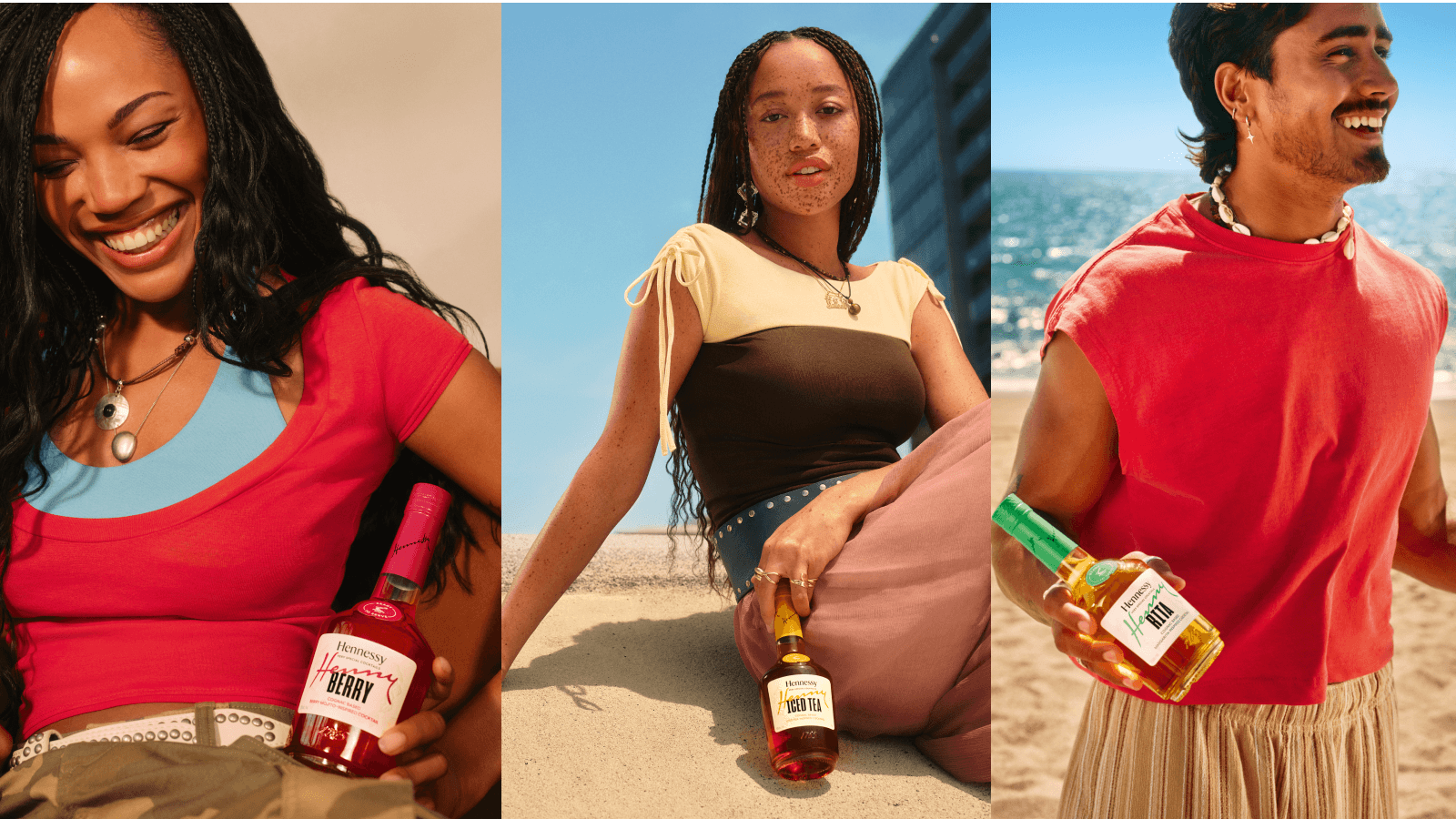
The campaign’s lead actors bring the new bottled cocktails to life: Quenlin Blackwell (left), Salem Mitchell (center) and Michael Cimino (right) each hold a Hennessy cocktail in the “It’s Henny Season” campaign.
From Bar Culture to Backyard Culture
The choice of settings throughout the ads underscores a big strategic shift: Hennessy is taking cognac out of its old dark-bar context and into bright, casual social spaces. From beach-front tables to poolside patios, every scene screams “backyard party, not basement bar.” The brand itself describes the new cocktails as “built for gatherings, backyards, and warm-weather occasions” - exactly the places people want a cold drink ready to chill and share. By showing the talent laughing outdoors with cocktails, the campaign normalizes Hennessy for daytime and weekend hangouts. This is a purposeful contrast to the usual “cognac neat” image.
This shift matters because it opens Hennessy to occasions where the brand was historically absent. Younger drinkers who might have grabbed a premixed margarita or rosé outside a club are now being nudged toward cognac variants instead. In essence, the campaign is recasting legacy spirit drinking as akin to backyard beer-and-punch nights. As an analysis puts it, Hennessy is “meeting the cognac-adjacent consumer in the format they are already choosing”. The emphasis on casual settings tells leaders that heritage spirits can grow by legitimizing themselves in new contexts - the family barbecue, the tailgate - rather than only pushing traditional after-dinner or on-premise rituals.
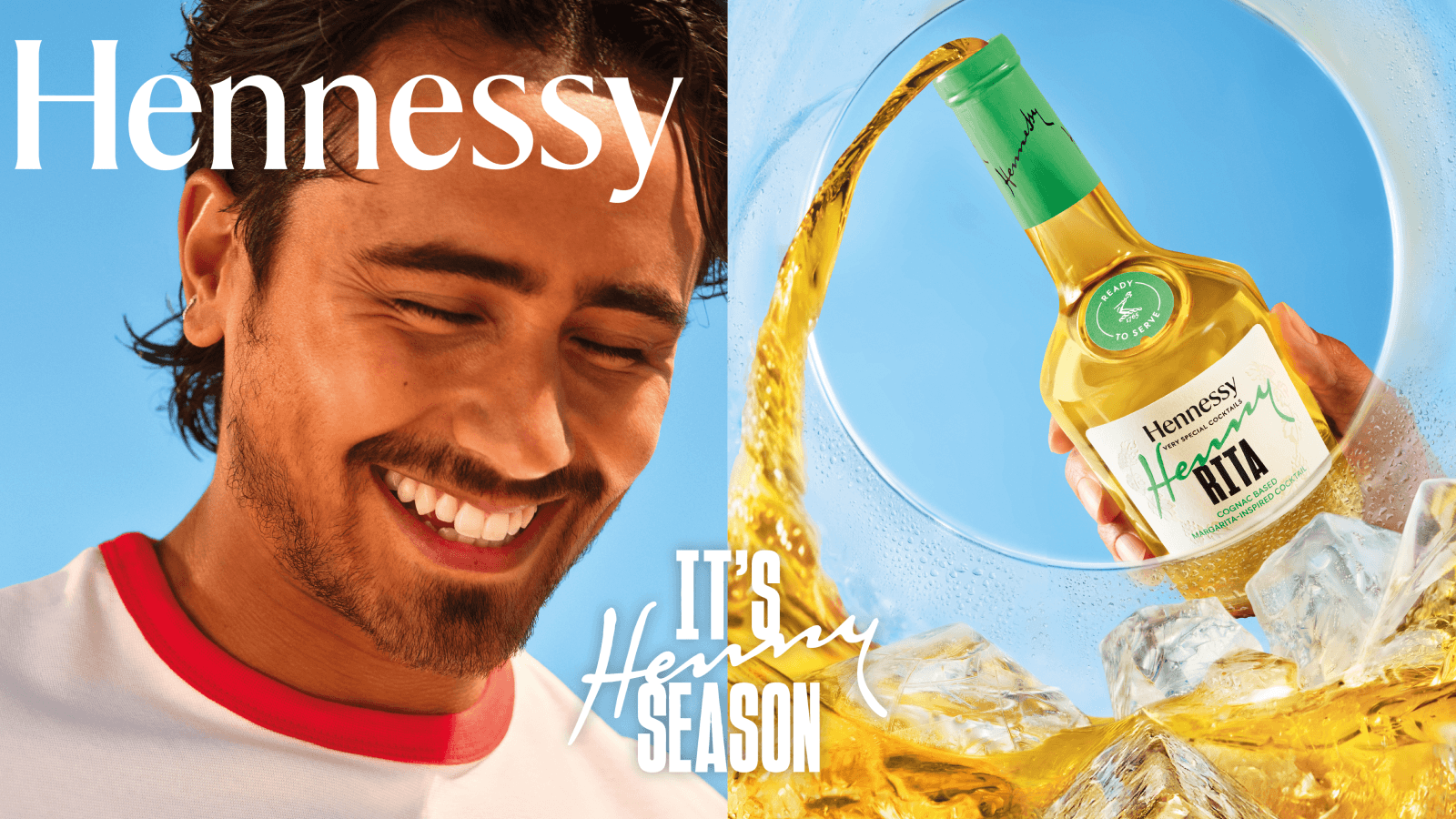
Hennessy’s RTS cocktails clearly target laid-back social occasions. Marketing highlights that these drinks are for “gatherings, backyards, and warm-weather occasions” - the kinds of settings shown in the campaign.
Media Mix: Visible Where Summer Decisions Happen
Hennessy has backed this format with a broad, omni-channel launch. Alongside social media and digital ads, the campaign runs on outdoor boards, streaming video, connected TV and audio during summer. Notably, billboards and transit posters appear in key markets (NY, LA, Miami, Atlanta) where warm weather and outdoor social life are popular. This ensures the product is literally “on the road” and in front of consumers in summer destinations. In the U.S., 375ml cocktail sales often hinge on impulse in convenience stores and liquor aisles - locations the OOH and retail-focused media hit effectively.
The use of video content (a 30-second film) on social feeds and audio spots also aligns with the impulse, discovery nature of canned/RTD cocktails. Instead of deep messaging about cognac’s history, these short spots serve visual cues (sunlight, laughter, music) that grab attention and signal a fun occasion. In practice, Hennessy is placing the product in environments and formats where people already make summer drink decisions. It’s notable that they even mention events and tastings in coming months, meaning the brand will show the bottles in real-life party contexts. For leaders, the lesson is that a new format launch needs full-scope support: marketing that matches the impulse-driven, discovery-heavy way consumers will encounter these cocktails in summer (social ads, in-store displays, sampling events, etc.).
The Bigger Signal for Cognac and Premium Spirits
Hennessy’s move is part of a broader premium spirits pivot. Globally, ready-to-drink and ready-to-serve cocktails have surged, even overtaking some established categories (IWSR reports RTDs surpassed vodka in value in 2025). At the same time, traditional spirits categories like cognac have been flat or declining, especially among younger drinkers. This launch - timed right as Remy Cointreau reported a turnaround after years of decline - confirms that major houses believe growth will now come from new occasions and formats, not higher prices on old products.
In fact, analysts note that all the biggest spirits companies are simultaneously ramping up RTD efforts. Diageo’s CEO publicly made RTD a top strategic focus in 2026, and Pernod’s Absolut has been expanding its RTS lineup (adding trendy flavors like Espresso Martini and Cosmopolitan in 2025). Even in cognac’s home region, Mixt Cognac and canned cocktails have emerged. Hennessy’s launch is thus the clearest sign yet that “the path back to growth runs through new occasions and new formats,” not simply defending old pours.
This has broader implications: it suggests flavor-led recruitment is crucial. The new Hennessy cocktails deliberately borrow from vibrant, fruity cocktail styles - effectively using flavor and occasion to recruit drinkers who wouldn’t touch a neat pour. It also underscores that heritage brands face pressure to modernize. By entering RTD, Hennessy implicitly admits that its traditional market is mature or shrinking, and that younger demographics need new entry points. For category teams, the message is clear: to revitalize premium spirits, one must innovate formats while protecting core identity. In Hennessy’s case, the gamble is that by meeting consumers at beach parties and BBQs, the brand secures its relevance for the next generation of spirits buyers.
What Alcohol Brand Owners Should Take From Hennessy’s Move
Hennessy’s RTS launch offers several concrete lessons for any premium alcohol marketer:
Protect core brand cues
Even when entering a convenience segment, keep packaging, serving style and pricing in line with brand values. Hennessy used glass bottles and a high ABV to signal quality. Other brands should do the same (premium cans, crafted recipes, etc.) so consumers still perceive heritage at the shelf.
Build around occasions, not product alone
Frame the launch as solving a consumer moment. Hennessy explicitly tied its cocktails to summer leisure (hence “Henny Season”). Brands should likewise identify specific lifestyle contexts (tailgates, beach trips, game nights) and make those the centerpiece of the message, rather than just listing ingredients or heritage in isolation.
Match talent and tone to the drink
Assign influencers whose image naturally fits the new format. Hennessy didn’t use random celebs; it placed each talent with a cocktail that suited their persona. When choosing spokespeople, premium brands should ask: does this person embody how we want the product to be used? The “creators should make the format feel natural before they make it famous,” in the words of industry analysis.
Watch the equity trade-off
Track whether the new format is adding new customers or merely cannibalizing existing ones. If the RTS cocktails simply pull share away from core cognac sales, the brand risks diluting its business. Hennessy managers are betting they’ll capture drinkers leaving tequila or flavored vodka without losing cognac loyalists. Brand owners should set up measurement to confirm this: check if new buyers enter and core-drinkers remain engaged.
Leverage distributor relationships
Hennessy’s rollout uses its deep on- and off-premise distribution to push the RTS line into the same doors as its cognac. Other spirits brands with strong networks can similarly place their premixes widely. Engage channel partners early about shelf placement: will the new product sit in the cocktail aisle or with the parent brand? Getting it visible at point-of-purchase is crucial for impulse, casual sales.
Think strategically, not reflexively
Finally, Hennessy’s example shows that not every brand should rush into RTDs-only those with strong equity and a clear strategy. The “lesson is not that every premium spirits brand should launch RTDs” - it’s that “brands with the deepest equity” can do so with less risk. Before mimicking this move, owners should ask if their brand story can genuinely extend to simpler formats. If yes, build a tailored sub-brand with its own narrative (as Hennessy did); if not, focus on the core or different innovations instead.
OhBEV Takeaway: RTS as a Brand Strategy, Not Just a Volume Play
This launch makes one thing clear: ready-to-serve products can no longer be treated as an afterthought. They are a strategic brand architecture decision. Hennessy has essentially created a new sub-line (“Very Special Cocktails”) with its own marketing and positioning, even as it leans on heritage cues to legitimize it. The company essentially tells us: treat RTS as a brand in its own right, not just “cognac in a can.” By crediting its master blender and using consistent branding, Hennessy anchored the convenience format in its legacy. This anchoring is what allows a $15 RTD to wear the Hennessy name without cheapening the core.
For other premium brands, the implication is that launching RTD cocktails should be a careful architecture choice. Are you spinning out a distinct line? Or adding a flavor variant? Either way, plan it as a long-term brand building exercise. Hennessy’s success will hinge on whether consumers accept this framing or see it as just a gimmick. In doing so, it provides a template: if the RTD feels like an “exciting new chapter” of the brand rather than a detour, it adds real value. Otherwise, it merely bloats the portfolio. Treat RTS as you would any new brand launch - with its own identity, ambassadors and equity considerations - rather than a quick volume grab.
.svg)


.png)
