


.svg)
.gif)

Casamigos’ World Cup 2026 activation was far more than a typical ad campaign - it was a global occasion capture system engineered to fit seamlessly into fans’ game-day behavior. The tequila brand leveraged its role as the Official Tequila Supporter of FIFA 2026 to transform a major sporting event into a drinking moment. Rather than simply broadcasting a message, Casamigos embedded itself inside how people watch soccer: in stadiums, bars and living rooms. As its marketing VP explains, “the FIFA World Cup 2026 [is] a global stage fueled by passion, rivalry and pride” - and Casamigos’ job was to make it easy for fans to “raise a glass and celebrate the connections that live beyond the 90 minutes”. This multi-layered strategy - positioning tequila at every touchpoint of the World Cup experience - makes Casamigos’ approach a lesson in behavioral marketing. It shifts the focus from brand narrative to cultural infrastructure, from brand awareness to distribution and relevance.
Executive Take: The Real Play Behind “Friendly Rivalry”
Casamigos’ “Friendly Rivalry” campaign was not a conventional awareness push; it was a playbook that harnessed the World Cup’s global frenzy. The brand’s tagline - “Rivals at the game, Casamigos at the Bar.” - sets the tone. Rather than only painting soccer scenes, Casamigos built a system for fan engagement: inviting consumers to choose a side (Team Spicy vs Team Classic) and share a margarita. This reframes the World Cup from an “event marketing” moment (just buying ad space during games) into behavioral positioning - aligning the product with what fans actually do.
Key to this strategy is the understanding that the World Cup is a global operating system: a temporary infrastructure where billions of fans simultaneously gather. Casamigos capitalized on this synchronicity. It positioned its products - notably two new RTD margaritas - as the official party staples for all World Cup occasions. In doing so, the brand played the roles of both sponsor and enabler: offering exclusive experiences in host cities while making sure fans everywhere could toast together after the final whistle. This is not just about storytelling; it’s about owning the moment. In Casamigos’ words, the goal was to bring fans together - “it’s right there in our name, amigos” - whether they’re cheering in a stadium, a bar or their home.
By focusing on relevance (being present where people drink) and distribution (ensuring product availability), Casamigos turned the World Cup into a distribution multiplier. The result: instead of years of slow brand-building, the campaign captures intense engagement over a few weeks. As one analyst notes, sports sponsorships yield high returns on investment - for example, Budweiser’s 2018 World Cup campaign engaged an estimated 3.2 billion fans globally and helped drive +10% revenues outside the US that quarter. Casamigos leveraged a similar tidal wave, channeling the World Cup’s global buzz into immediate sales opportunities and fan activations.
The Strategic Shift: From Brand Story to Cultural Infrastructure
Traditionally, a brand might tell its story during an event: put its logo on a TV spot, maybe light up a billboard. Casamigos instead built a cultural infrastructure around the World Cup. In effect, the tournament became a temporary “home” for the brand. By co-branding its core offering (the margarita) with the event, Casamigos slid itself into fans’ rituals. On its website it declares, “No World Cup moment is complete without a Casamigos Margarita in hand” - whether in the stands, at the bar, or at home. This strategy shifts the narrative: Casamigos isn’t just talking about itself, it is becoming part of the experience.
This approach reframes the World Cup as a moment to be owned, not an occasion for generic advertising. The campaign’s centerpiece is literally the Casamigos Margarita, officially deemed “the Official Margarita of the FIFA World Cup 26™” on its packaging. By owning the cue “This calls for Margs”, Casamigos positions its product as the natural choice during every match. According to marketing VP Roderick Blaylock, World Cup games “unite people in a way few things can” - and Casamigos ensured that tequila was woven into that unity. In practice, that meant treating game day not as an ad break but as an operating system: pre-mixed margaritas sold as a hosting solution, celebrity hosts driving fan engagement, and coordinated on-site activations in stadiums and fan zones.
Casamigos didn’t just deliver a message about friendship and tequila; it built the stage on which those themes could play out. This is a clear pivot from simply telling “who we are” to showing “where we fit in” - converting brand storytelling into lived moments.
Product Strategy Hidden in Plain Sight
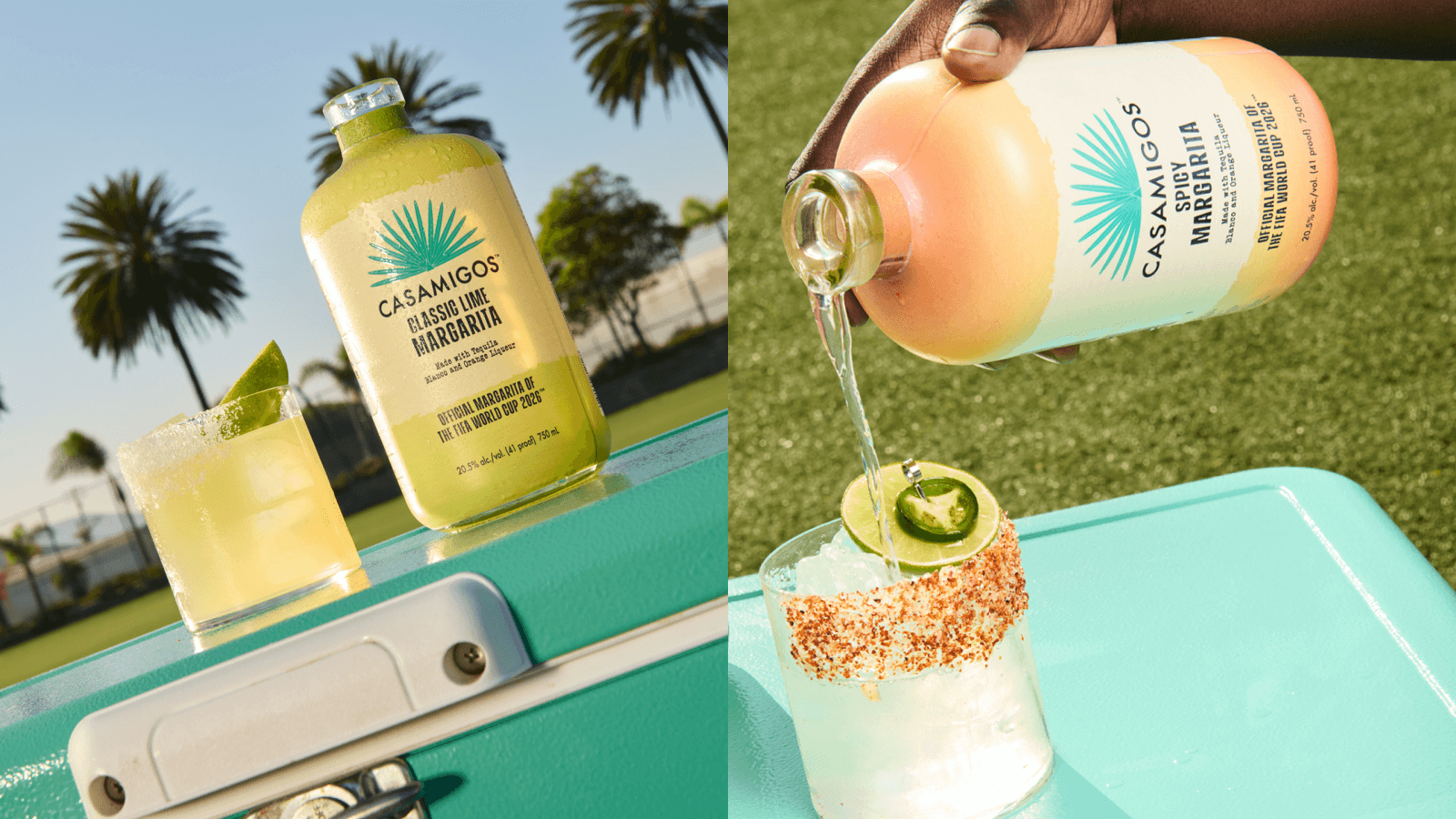
The silent hero of this campaign is Casamigos’ ready-to-drink margarita line. In a sports-viewing context, convenience is king: fans and hosts don’t want to spend time mixing cocktails when a goal could score at any second. Casamigos launched two new 20.5% ABV margarita SKUs - Classic Lime and Spicy - that are bottled, poured-and-serve. These pre-mixed cocktails require no additional ingredients or mixing, letting hosts enjoy the match uninterrupted. The timing and format of this innovation was critical: the bottles hit shelves with World Cup-themed packaging on March 1, and Diageo immediately committed to making them permanent offerings starting Aug 1. This product strategy signals that Casamigos is aligning form to fan behavior - it’s not about a novel recipe, but about meeting drinkers where they are.
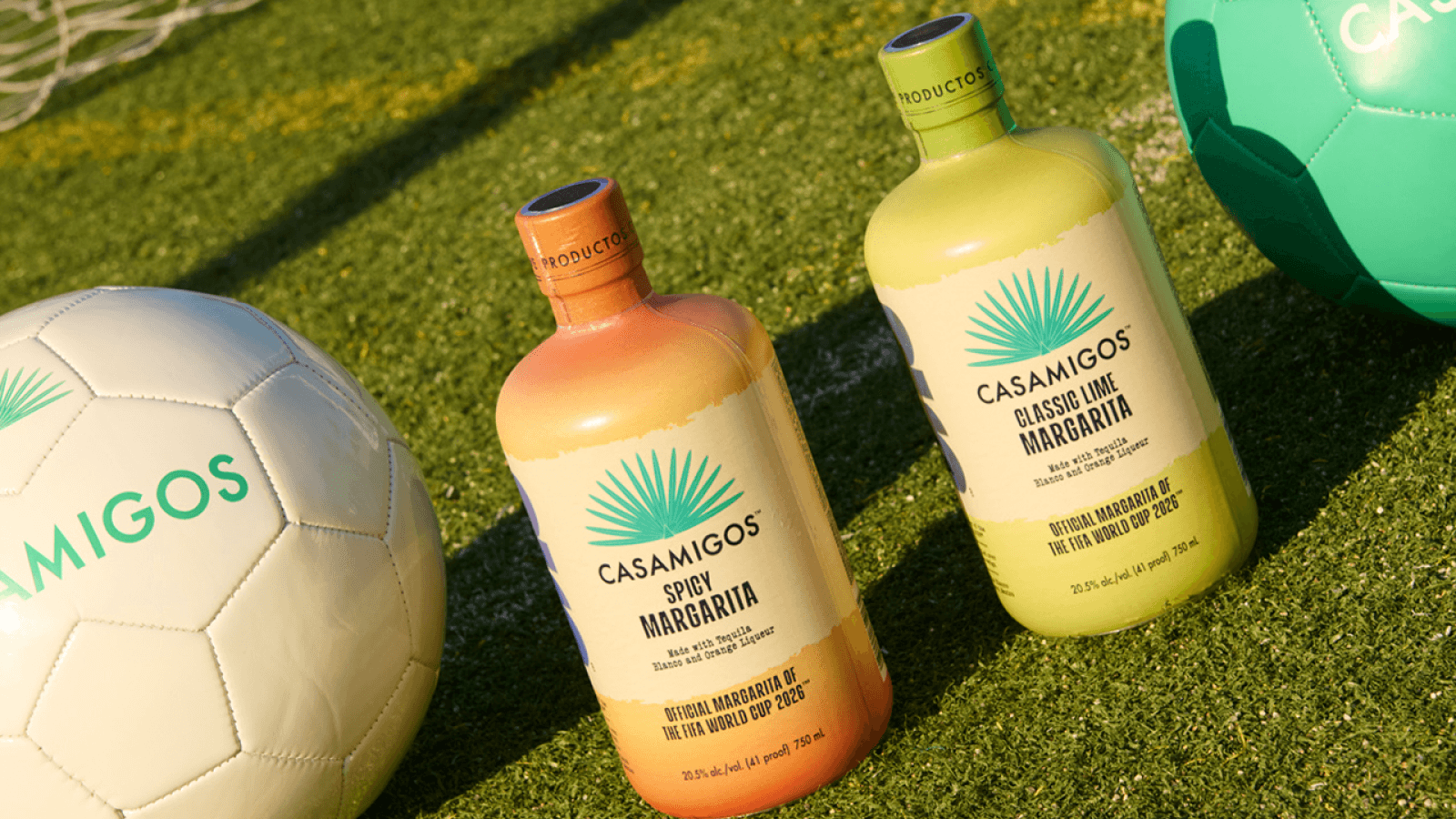
This move was hardly accidental. Data shows U.S. consumers are increasingly choosing RTD cocktails for convenience and taste. The Distilled Spirits Council reports RTDs grew to a $3.8 billion category in 2025 (up 16.4%), even as straight tequila volumes were flat or declining. Casamigos’ new margaritas - carrying 110 calories per serving and global event marketing - hit the sweet spot of demand. By offering both a “smooth, well-balanced” Classic and a bold, chili-lime Spicy version, the brand catered to mainstream and adventurous palates alike. Each variant doubles as a team identifier (Team Classic vs Team Spicy), but fundamentally they make it frictionless to grab a consistent Casamigos cocktail, whether in a bar or on a sofa. In sports moments where speed, consistency and scale matter most, these RTDs become the real star - a strategy hidden in plain sight.
“Friendly Rivalry” as a Behavioral Framework
A core insight of the campaign was to reframe rivalry as a social game. Instead of presenting team rivalries as divisive, Casamigos spun them into a communal mechanic: pick a side and celebrate together afterward. The brand explicitly invites viewers to choose - “Casamigos invites fans to pick a team - whether in the stadium, at the bar, or at home - and lean into the rivalry with a margarita in hand.”. By doing so, it turned passive viewers into active participants. Fans aren’t just watching competitors on TV; they’re joining in a tongue-in-cheek contest of Team Spicy vs Team Classic in real life.
This approach sets up “permission to engage.” It gives consumers an easy identity switch - “Are you Team Spicy or Team Classic?” - with nothing at stake but fun. Casamigos even ran an online quiz (“Are you Team Spicy or Team Classic?”) to deepen this choice architecture. The competition is completely owned by Casamigos: the only prize is bragging rights and the morale boost of clinking glasses together, which Gabrielle Union aptly describes as the ultimate friendly conclusion (“I love a friendly rivalry, especially when it ends with everyone clinking glasses”). In this way, even viewers rooting for opposing national teams all become “friends you’ve yet to meet” through a shared drink.
By casting rivalry as a bonding ritual, the campaign drives social consumption. Each time a fan picks a side, they buy into a larger narrative that centers on community. Rather than highlighting tension, Casamigos highlights togetherness - the message is that no matter which team wins, everyone wins a margarita together. In sum, the Team Spicy/Team Classic framework is a repeatable, scalable social mechanic that turns viewers into participants, reinforcing the brand’s unifying ethos at every viewing moment.
Celebrity Use Done Right (For Once)
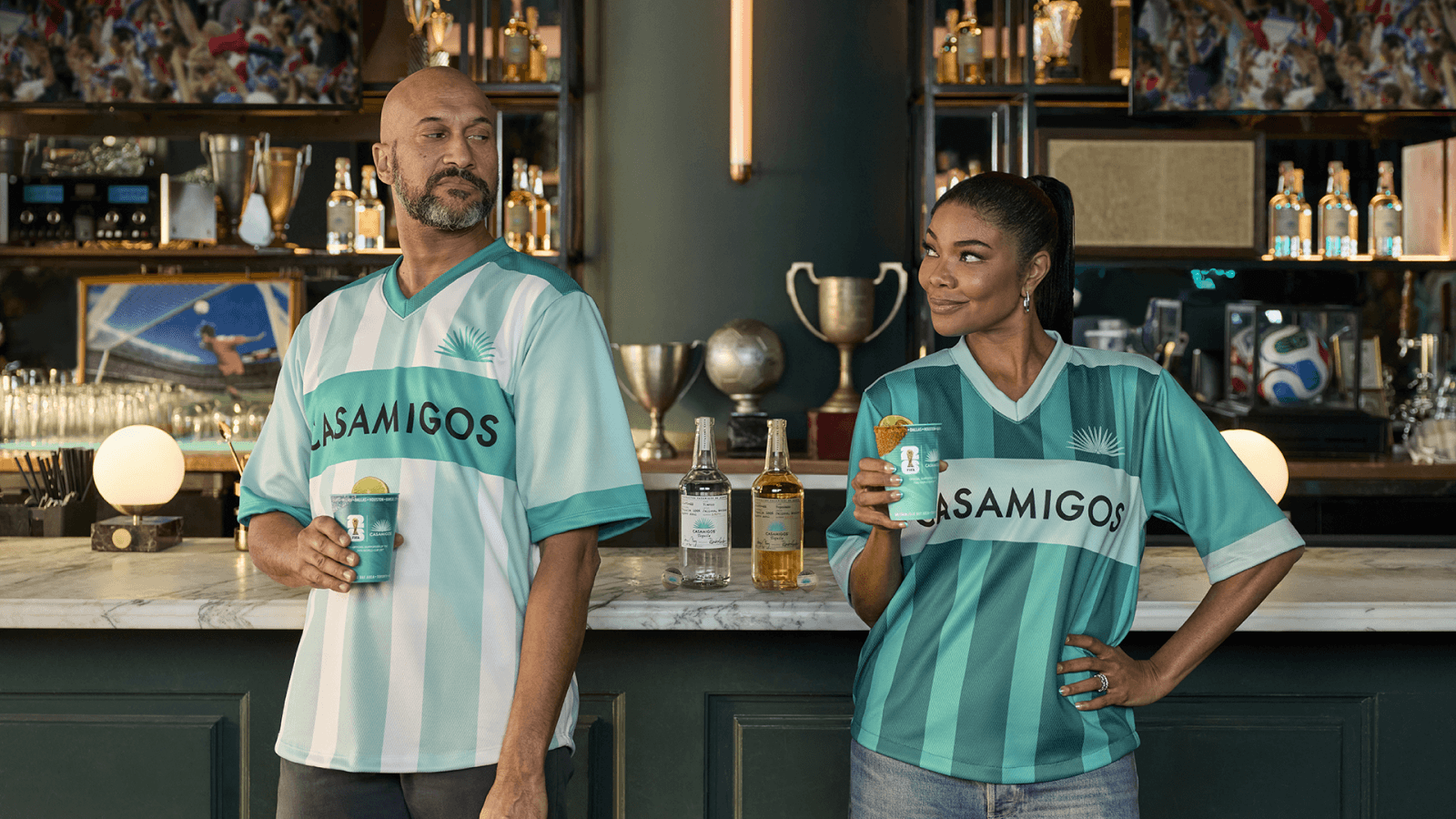
Unlike many event tie-ins that plaster celebs everywhere, Casamigos used Gabrielle Union and Keegan-Michael Key thoughtfully as format carriers, not the story itself. These hosts front the campaign, but they’re not talking about the brand - they’re embodying the rivalry mechanic. Union represents Team Spicy and Key Team Classic, using their personalities to give life to each choice. In their short spots and social posts, Union quips about her passion for heat (“I want a cocktail that matches my passion,” she says of Spicy) while Key stands firm for tradition (“I’m a straightforward guy… I’m a classicist,” he explains of Classic).
The effect is subtle but powerful. Fans see two relatable figures having fun with each other’s choices, rather than being lectured by obvious brand spokespeople. This “friendly banter” approach is exactly what the campaign demands. Union and Key are there to enable the rivalry - not to narrate Casamigos’ heritage or concoct a convoluted story. By merely standing in as cheeky ambassadors for each flavor, they simplify the decision. The structured choice - just two teams, two flavors - requires no deep explanation. In this sense, the celebrities drive decision simplicity rather than story.
Casamigos also wisely aligned the celebrities’ personas with the gimmick. Union, a former soccer player, naturally fits the passionate fan role, while Key’s everyman-watcher attitude feels genuine. They never break character to oversell the tequila; they simply use it as a prop for friendly competition. This is in stark contrast to many celebrity-driven campaigns that accidentally shift focus onto the celebrity’s image. Here, Union and Key amplify the “we’re all friends with margaritas” message by example - a textbook case of celebrity use done right.
Occasion Engineering: Stadium → Bar → Home
One of Casamigos’ most strategic moves was designing the campaign for every consumption environment simultaneously. From the moment Casamigos was unveiled as FIFA’s Official Tequila, the brand rolled out an integrated plan: in-stadium activations, on-premise (bars and fan zones) promotions, and at-home engagement. The messaging explicitly spans “stadium → bar → home” as equal priorities. For example, Casamigos will run “fan-first experiences” at World Cup host-city events, while also fueling bar promotions and encouraging living-room watch parties.
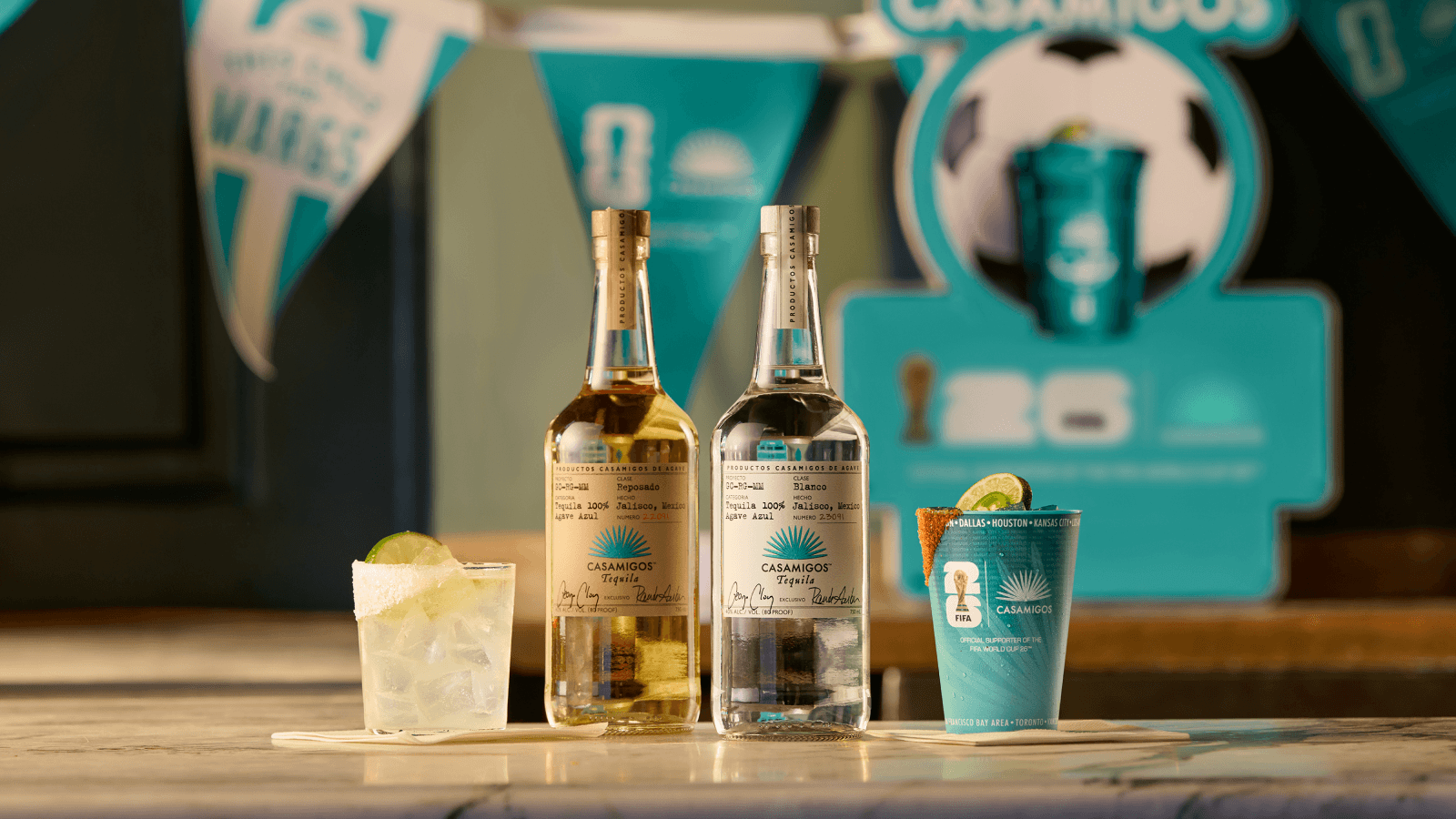
This omni-channel approach eliminates friction at critical moments. In-stadium, Casamigos appears in licensed areas and sponsor signage (even promoting that “Official Margarita” branding). In bars, Casamigos cocktails are featured on menus and on-tap promotions for match-day specials. In retail, the new pre-mixed bottles sport FIFA branding and are stocked prominently in beverages aisles. Crucially, Casamigos ensures the product is identical across channels - no extra ingredients needed - so that a margarita poured at a bar tastes the same as one poured at home.
The payoff is that wherever a fan watches, Casamigos is ready. Marketing materials emphasize it: “Whether you’re in the stands, at your favorite bar, or watching from home, it’s the go-to for the match”. Celebrity Gabrielle Union highlights the benefit directly: with a “ready-to-pour” margarita, the host “can stay part of the celebration” instead of disappearing behind the bar to mix drinks. In effect, Casamigos engineered the world cup occasion to be a Casamigos Margarita occasion, seamlessly blending the product with every conceivable way fans consume soccer.
The Real Power: Global Event as Distribution Multiplier
The beauty of a synchronized global event is that it accelerates brand reach and distribution far beyond normal levels. By tying itself to the World Cup, Casamigos instantly activated a worldwide stage. Millions of fans tune in simultaneously across dozens of countries, compressing what might take years of brand-building into a few high-octane weeks. This creates an unparalleled multiplier effect. For example, AB InBev credits Budweiser’s World Cup sponsorship for driving double-digit sales growth internationally (a reported +10% revenue jump outside the U.S. during Q2 2018) and an unmatched share of voice. Casamigos capitalized on the same phenomenon in the tequila category.
The other “hidden benefit” is logistical: retailers and distributors are primed for World Cup-related merchandise. Official partners like Casamigos often receive premium placement and promotional support. Grocery and liquor stores feature the branded Margaritas alongside soccer displays; bars dedicate specials to Team Spicy vs. Team Classic. Diageo’s entry into the World Cup deal (as the official spirits sponsor for the Americas) meant the company committed multiple brands to the event, entrenching Casamigos across supply chains. The result is that, at kickoff, Casamigos products were already everywhere fans needed them - in stadium vendors, bar shelves and home fridges.
The FIFA World Cup provided Casamigos an instant global rollout. It synced markets and media around one moment, ensuring focus and urgency. This “concentrated launch” effect - aligning millions of consumers at once - is what allows brands to rack up sales and exposure that would otherwise require years of slow grind.
Creative System, Not Campaign Assets
Casamigos designed its World Cup activation as a repeatable system, not just a collection of one-off ads. The core mechanics - pick a side, express it, drink together - can be rolled out anywhere and everywhere, adapting easily across markets, channels and formats. In other words, the creativity lies in the structure, not just the visuals. The brand’s rules are simple: each fan chooses Team Classic or Team Spicy, shows it (with themed merch or posts), and enjoys a Casamigos Margarita socially. Every piece of content or activation is a permutation of this formula.
This system scales effortlessly. On social media, fans can generate their own “Team Classic vs Team Spicy” content; each country can localize team references or languages; ads for bars, stores or social all plug into the same two-team logic. For example, Casamigos’ website even ran a “Take the quiz” contest - “Are you Team Spicy or Team Classic?” - to encourage user participation. No matter if someone is watching in Mexico City or Toronto, the mechanic is identical; only the context (which team they choose) changes. As one industry analysis notes, modern sponsorships thrive on such repeatable engagement: Casamigos’ approach “checks many boxes for a modern sports sponsorship - it sparks conversation, aligns with trends, and offers measurable outcomes”.
Ultimately, Casamigos created an open-ended creative system: Pick your side → Celebrate together. This structure can be replicated next World Cup, or even at other cultural events, with minimal retooling. The brand assets (logos, jerseys, graphics) are less important than the idea that fans participate. By focusing on a behavioral loop rather than static content, Casamigos ensured its campaign would maintain momentum across markets and formats.
What Most Brands Will Get Wrong
Casamigos’ success shows what many others might miss. Some brands will approach World Cup marketing as just another content campaign - developing themed posts and ads but neglecting deeper integration. They might copy the visuals (soccer balls, flags, player images) without replicating Casamigos’ system - i.e. they’ll have colorful banners but no meaningful participation mechanic. Without a behavior-based hook (like Team rivalry), those efforts risk fading into the background of all the other sporty content fans see.
Others will overlook product and channel realities. An RTD-neutral tequila brand, for instance, would struggle to engage match-day hosts with a whiskey bottle that needs mixing. Casamigos’ focus on pre-mixed cocktails aligns format to occasion; brands ignoring this force themselves into a suboptimal position. Industry data underlines this risk: consumers gravitate toward RTDs for convenience, so a brand without a ready-to-drink option may simply cede occasions to someone who does. Furthermore, some may treat the campaign as purely digital: churning out content in hopes of reach, but missing the final step of making the product available.
Finally, brand-fit mistakes loom large. As one analyst cautions, a super-premium brand “should favor curated experiences and storytelling rather than broad mass blasts”. A competitor that resorts to cheap stunts (think viral trick without context) could dilute its image. Casamigos stayed true to its premium positioning by focusing on quality cocktails and upscale experiences (VIP lounges, tastings) rather than giveaways. Brands that copy the look of the campaign - say, printing Spicy and Classic wording on anything - but without the backing strategy will ultimately underperform. Missing format, occasion density, or distribution readiness are the pitfalls: you need the right product, at the right time, in the right place, not just clever graphics.
The Operating Model Behind It (Implied, Not Shown)
Behind this campaign lay meticulous operational alignment. Casamigos and parent company Diageo had to pre-coordinate supply, placement and activation long before kickoff. The new margarita SKUs, for example, were produced and shipped in time for a March 1 launch (coinciding with FIFA’s fanfare) with special World Cup packaging, and commitments were made to keep them on shelves beyond the tournament. This meant ramping up production capacity and distribution pipelines well ahead of the games. In bars, too, retailers and distributors had to stock the margaritas and train staff on the promotion schedule so that the “official Margarita” was poured everywhere on match day.
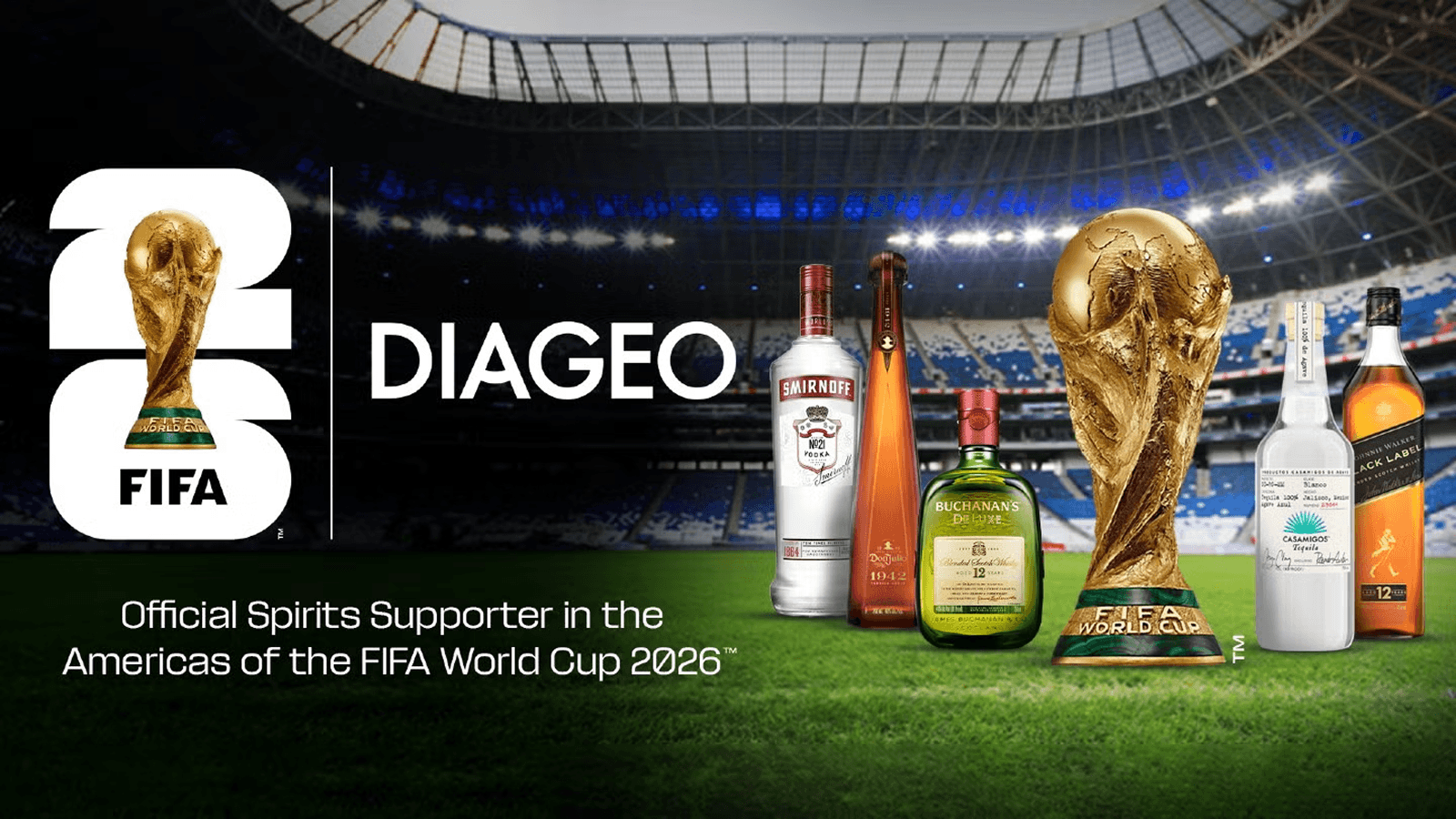
Diageo’s formal FIFA deal underscores this planning: in May 2025 the company announced that five of its brands - including Casamigos - would be associated with the tournament across the Americas. Such a multi-brand sports sponsorship requires harmonized logistics. Essentially, Casamigos treated the World Cup as if it were a product launch, with fixed timelines and global coordination. The marketing plays only work if the product is already everywhere fans are looking. By aligning the supply chain, retail placements and on-premise deals in advance, Casamigos ensured that no matter how viral the campaign went, there was product in hand to match the hype.
Implications for Spirits Portfolios
The Casamigos case delivers a stark message: If your brand doesn’t have an RTD or equivalent occasion-based format, you risk being sidelined. Major events drive consumption moments, not just brand awareness, and modern consumers expect a convenient format when entertaining. The US drinks market reflects this: RTDs are now the fastest-growing spirits category (16.4% growth to $3.8B in 2025), while core tequila and vodka sales have softened. In this environment, a portfolio that only emphasizes the “born on date” tequila misses half the playbook.
Successful brands will need both pillars: a core spirit to build long-term brand equity, and an occasion-specific format to capture immediate demand. Casamigos clearly treated its straight tequila line and its RTDs as complementary: the well-known Blanco lends authenticity to the premix, while the RTDs extend the brand into high-velocity occasions. Leaders should thus architect their portfolios around when people drink, not just what they drink. For example, whiskey brands are now launching canned old-fashioned cocktails; gin brands are adding spritz RTDs. Casamigos’ strategy implies that spirits companies must pivot from only pedigree stories to also consider packaging and SKU formats that match specific moments. Missing that shift means missing out on the very occasions that younger consumers increasingly prize.
The Bigger Signal: Alcohol Marketing Is Becoming Occasion-Led
Casamigos’ World Cup activation epitomizes a broader shift in alcohol marketing: It’s no longer primarily “Who are we?” but “Where do we show up in life?”. Consumers today think first of occasions - game night, brunch, sunset - and second of brands. As one World Cup marketing guide notes, such events “ignite deep passions” and “offer a unique opportunity to engage [billions of] fans globally”. The emphasis is on tapping into cultural moments. Casamigos literally brands itself as the go-to drink for the match: its site proclaims that no match is complete without a Casamigos Margarita.
This occasion-led mindset contrasts sharply with old-style branding. It suggests that for events like the World Cup, companies should focus on answering consumer needs in context rather than just broadcasting identity. In practical terms, Casamigos centered its campaign around the real moment (watching/celebrating a game) and the obvious resolution (“This calls for margs!”), rather than layering on a distant brand story. Other brands would do well to heed this: match the conversation on the ground, don’t steer it. In effect, Casamigos exemplified the shift from crafting a narrative about the brand to orchestrating the consumer experience - making the drink the punchline to the World Cup joke, not just a footnote.
What Leaders Should Actually Do Next
Casamigos’ success offers a roadmap for other marketers:
- Identify Key Moments: Pick one or two global or cultural occasions where your brand can naturally play a role (e.g. major sports, holidays, cultural festivals). It should align with your brand’s identity and consumer base.
- Build the Right Product Format: Develop or adapt SKUs that suit those occasions. If a match-day party is target, a ready-to-serve format (RTD, large bottle, etc.) may be needed. Casamigos built premixed cocktails to fit the game-day use case.
- Craft an Engagement System: Design a simple behavioral mechanic to invite participation. Casamigos used the spicy-vs-classic rivalry; other brands might use voting, quizzes, challenges or themed pairings. The key is repeatability and clarity.
- Align Distribution: Ensure supply chains, retail listings and on-premise placements are locked down well in advance. If consumers are ready to drink, the product must be right there. Coordination with distributors and retailers is crucial.
- Engage Multi-Channel & Localize: Combine on-the-ground events (fan zones, bars) with digital activations (social content, interactive filters). Localize messaging for each market (language, relevant teams or culture) while keeping the core mechanic universal.
- Measure and Optimize: Set clear metrics (sales lift, engagement, impressions) and use data to refine tactics. Casamigos, for example, tied its campaign to sweepstakes (tracking entries) and likely monitored social “share of voice” as it did for film giveaways.
- Maintain Brand Fit: Align the scale and tone of activations with your brand’s positioning. A luxury brand might run VIP events; a mass brand might do large-scale sampling. Casamigos stayed premium by focusing on quality cocktails and storytelling, not gimmicks.
As one of our analyst puts it, successful campaigns “combine physical and digital tactics” and “tie in relevant new products” while tracking everything with KPIs. Don’t copycat visuals - instead, craft a holistic play that ties product, occasion and consumer behavior together.
Bottom Line
Casamigos’ FIFA 2026 strategy proves that the brand didn’t just launch a campaign - it embedded itself into a global drinking moment. Rather than shouting over the din of sports marketing, Casamigos quietly aligned its product and activations with exactly what fans want to do on match day. As the company succinctly put it, the World Cup is “a global stage” and Casamigos is the “go-to” drink to raise when the final whistle blows.
By focusing on occasion over message, structure over splashy assets, and execution over hype, Casamigos turned the World Cup into a shared social ritual centered on its margaritas. The overarching lesson is clear: wherever your audience gathers, be the brand they reach for - not just watch. Casamigos may have called it “Friendly Rivalry,” but in the end the campaign was all about friendship, convenience and capturing the moment. In the words of its marketing chief, it’s about celebrating “the connections that live beyond the 90 minutes” - and in that sense, Casamigos’ World Cup playbook was a resounding success.
.svg)


.jpg)

