


.svg)
.gif)

Executive Take: This Is Not a Campaign - It’s a Reassertion of Territory
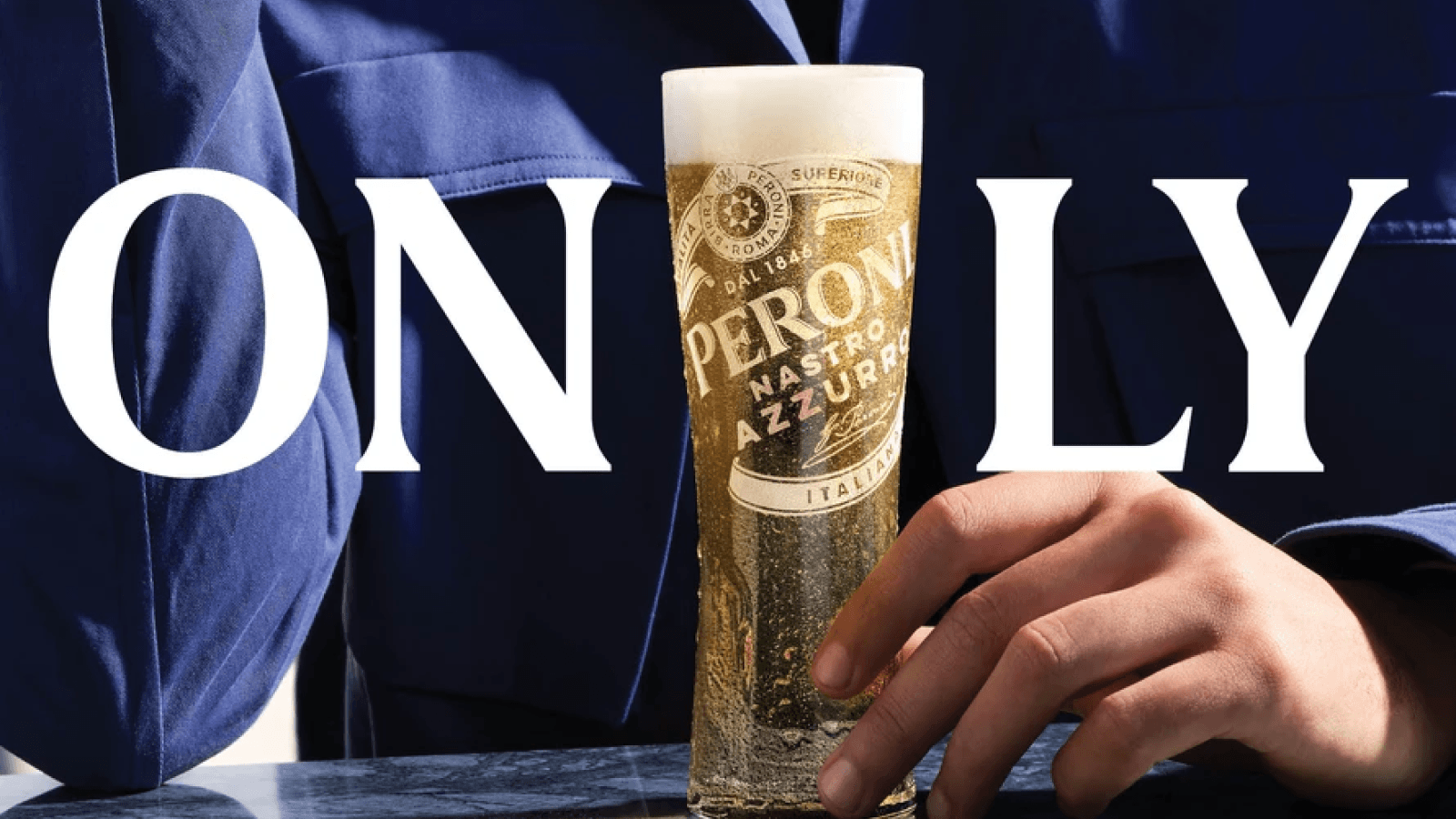
Peroni’s new “Only Peroni” initiative goes far beyond a typical advertising push. It’s a strategic reassertion of Italian cultural territory. By positioning Peroni Nastro Azzurro alongside iconic Italian symbols - Trevi Fountain, Michelangelo’s Venus, a Ferrari - the brand is staking a claim to “Italian-ness” in beer. This is a defensive and offensive play: Peroni isn’t just fighting for shelf space or market share; it’s defining its entire category presence. Rob Hobart of Asahi UK calls “Only Peroni” the brand’s “biggest advertising investment in years”, a step change to return the brand to the DNA “that set it apart” in the first place. In other words, Peroni aims to make any non-Peroni substitute feel inadequate by owning the narrative of Italian style - if a beer isn’t Peroni, is it truly the “only” authentic Italian experience?
The Strategic Shift: From Premium Messaging to Identity Lock-In
For years Peroni was marketed primarily as a premium lager, but today premium positioning alone is table stakes. Instead, “Only Peroni” pivots to cultural ownership. As Carly Burford, Peroni’s Global Brand Director, explains, the brand was born in Italy’s La Dolce Vita era “to bring style, imagination, and a category-defining presence to the beer world”. The new campaign recaptures that heritage: Italian style becomes the brand moat. Burford emphasizes that the “Only” platform signals an intent to reintroduce Peroni with “originality [and] effortless Italian style” so it stands apart from a beer category that “too often looks and feels the same”. In other words, Italian identity isn’t just storybook fluff - it’s the most distinct asset Peroni has.
This move aligns with Asahi’s global strategy: its 2023 report explicitly calls for “promoting the further premiumization of its brand portfolio in local markets” and expanding its premium brands worldwide. But Peroni’s strategy adds texture: it embeds that premium promise in a national narrative, not just in product specs. Peroni’s global CMO Malgorzata Lubelska sums it up: in today’s cluttered market “dull is expensive, so only bold, memorable work will cut through,” and that requires reconnecting Peroni with its “iconic Italian identity” to build a “distinctive, consistent brand world” and strengthen mental availability. In other words, the focus is on becoming instantly available in the consumer’s mind via unique cues, not merely increasing brand awareness.
The Power of ‘Only’: Language as a Competitive Weapon
Choosing “Only” as the key word turns the campaign into a category filter. Each ad (“ONLY a fountain, ONLY a painting, ONLY a car”) uses minimal text but points to something larger: if those world-famous things are just “only” a fountain or a car, then Peroni is likewise “ONLY” the authentic Italian beer. This taut simplicity excludes competitors by implication: nothing else is “only a painting” - just as no other beer can claim only this blend of heritage and style.
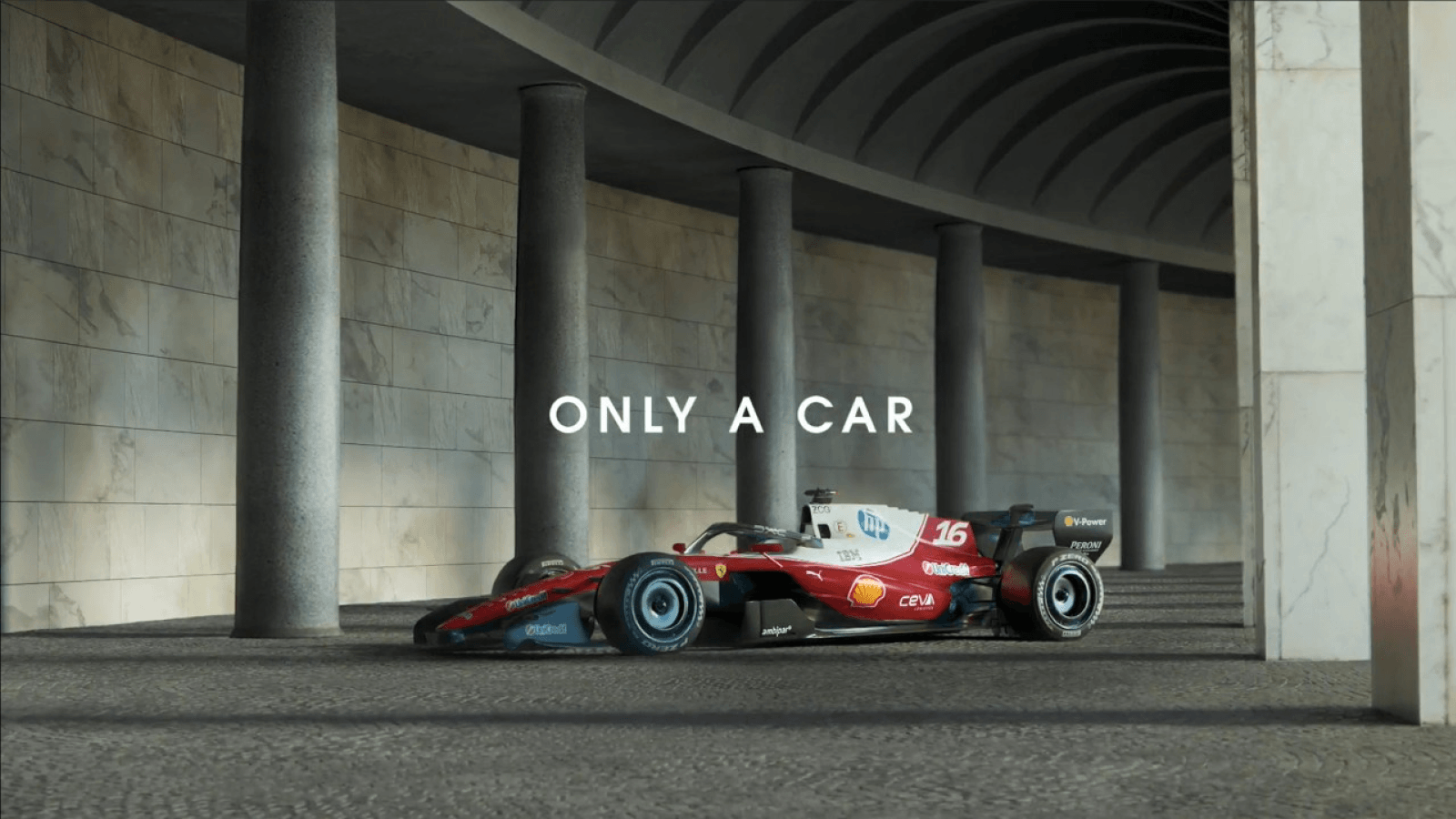
Such linguistic clarity acts as a consumer filter. Burford notes that the tagline’s genius is in saying a lot with few words - every word evokes Italian art, design, and confidence. In a market crowded with elaborate campaigns, a single powerful word cuts through noise. It directly signals to consumers, “Are you buying into something genuine? If not Peroni, perhaps not.” This sharp contrast is by design. Rather than confusing drinkers with product attributes or trends, “Only Peroni” tells consumers: either you get real Italian style, or you don’t. It’s a pure exclusion logic that turns simplicity into a competitive edge.
Making the Brand Physically Unavoidable
The “Only Peroni” push is also striking in execution: Peroni is everywhere its drinkers are. On-premise, Peroni is giving away 10,000 free pints, supplying branded coasters and glassware, and even sending pubs full “beer garden kits” with signage and outfits. Off-premise, the brand is taking over retail space with around 2,000 point-of-sale activations, aisle endcaps, digital signage, and a new 10-pack multipack to stand out on the shelf. In effect, Peroni has turned every bar, pub and store into a mini showroom - what one analyst calls “distribution theatre.” The goal isn’t novelty stunts for their own sake, but proof of positioning: customers touching and tasting Peroni reinforces that it’s special.
This over-the-top presence isn’t merely for attention-grabbing entertainment. It’s a conscious investment in availability. By saturating on- and off-trade channels through multi-stage blitzes, Peroni ensures that when a consumer thinks “something special,” they literally see Peroni everywhere. Rob Hobart even promises “unwavering support on-trade and off-trade … through three bursts of immersive takeovers,” so Peroni is simply inescapable to its target audience. The campaign treats every pub and shop like a stage for Peroni. Rather than one-off hype, it’s consistent presence: the brand physically proves its premium stature at every touchpoint.
Italian Style as Product Strategy
“Italian sophistication” isn’t just window dressing - it’s woven into how Peroni wants to be perceived on the bar. Every element is chosen to make drinking Peroni an aspirational behavior. The tall blue bottle and sleek 330ml and 440ml can packs have always looked more elegant than a standard lager bottle, and Peroni is doubling down on that aesthetic. Promotions even include fashion-like partnerships and high-culture tie-ins (e.g. Ferrari F1 sponsorship, art installations) to elevate Peroni to an accessory status. The messaging is clear: by sipping Peroni, the drinker taps into Italian style.
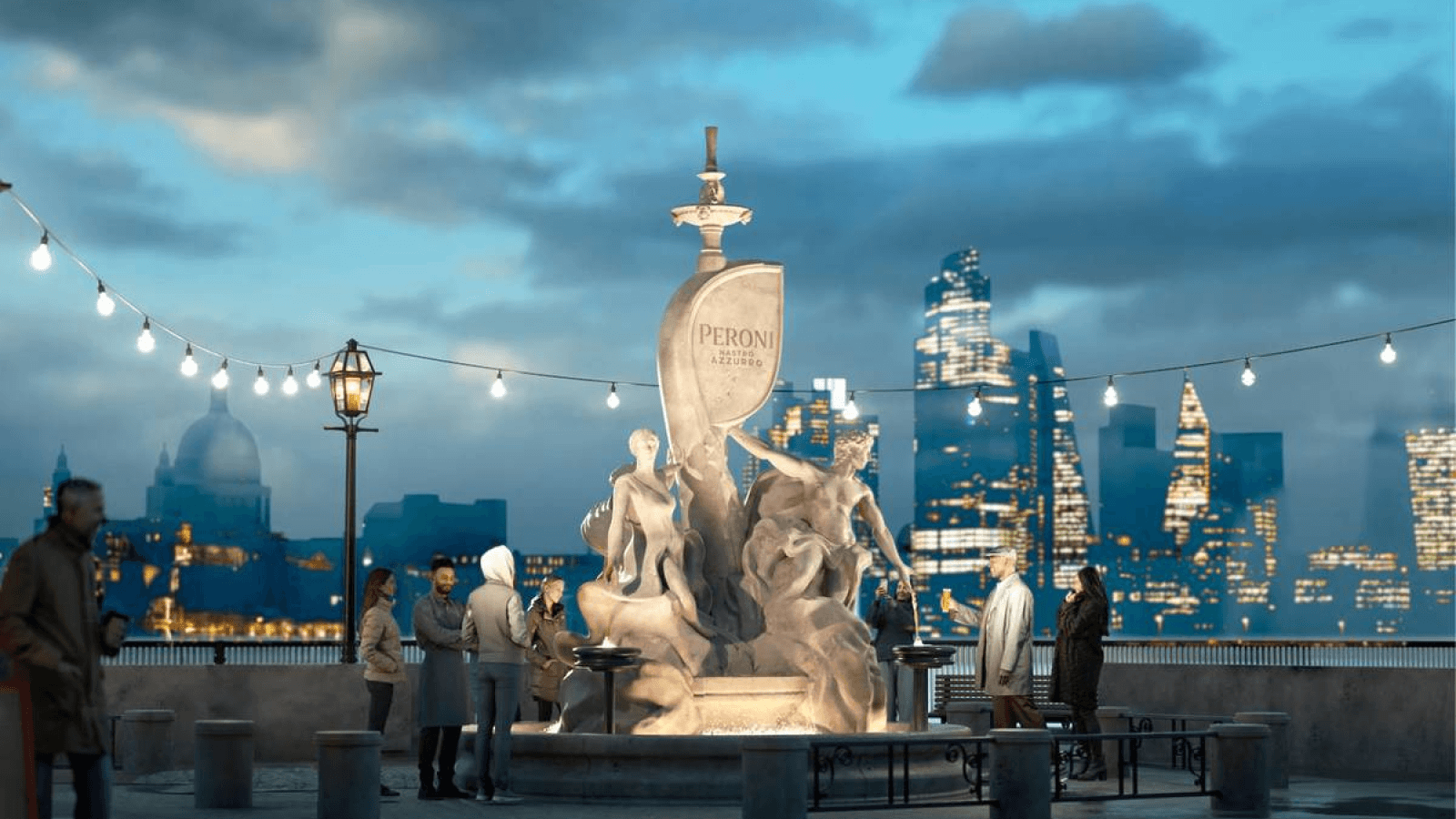
Branding experts note that lifestyle brands connect people to shared identity or values, not just product features. Peroni’s campaign does exactly that. It suggests that a Peroni drinker is not simply choosing a beer, but signaling to others that they belong to a stylish, world-traveler set. For example, a past Peroni U.S. campaign even portrayed its fans as “those friends you go to for a great recommendation … or a strategic splurge on something stylish”. In Europe, the “Only Peroni” ads work similarly: they refract the prestige of Italy’s culture onto the consumer’s choice. In effect, Peroni is selling a mood, not just a malted beverage. By embedding the product in tasteful occasions (art settings, fashion contexts, VIP events), Peroni makes the beer itself a social statement.
Buying Back Cultural Relevance
Why the overkill? Because the beer aisle is more competitive than ever. Legacy lagers used to be default social lubricants; now new categories and formats fragment attention. Craft beers, value brands and non-alcoholic drinks all vie for drinkers’ interest. As design strategists warn, “beer is no longer the automatic choice” - being merely “known” is no longer enough. In this environment, Peroni’s parent company Asahi has decided it needs something more lasting than product tweaks. It’s going “all in” to rebuild brand distinctiveness at scale.
According to Bar trade press, Only Peroni is Asahi’s “biggest advertising investment in years”. This reflects a strategic pivot: in a market where premium claims are common, Peroni needs cultural ownership instead. Craft beers defined themselves by flavors and local identity, but Peroni chooses a different lane: global Italian authenticity. By focusing on its heritage and style, Peroni is reclaiming distinctiveness in a category where many brands had begun to look the same. This aligns with Asahi’s wider “premiumization” strategy: the company is willing to spend heavily on a signature narrative now because it believes that regaining a unique cultural position will pay off long-term. The campaign is Asahi buying back relevance - making Peroni meaningfully different again so that more consumers choose it by default.
Targeting Younger Drinkers Without Diluting the Brand
Peroni’s chief challenge: attract Millennials and Gen Z without chasing their every fad. The campaign does this by leveraging aspiration rather than casual trends. The creative is digital-forward (streaming ads, Instagram, TikTok, influencers) and partnered with youth-heavy events (music festivals, sports), ensuring visibility with younger audiences. Bar trade sources note the goal is to be “unmissable to its target of younger adult beer drinkers”. Yet the message stays rooted in timeless style, not flash-in-the-pan crazes.
Rather than co-opting a silly gimmick, Peroni sticks to what made the brand iconic: effortlessly cool Italian identity. The word “Only” itself embodies a timeless confidence - it doesn’t reference a musical trend or a fleeting cultural moment, it simply is. This helps new drinkers come to Peroni for the same reason older fans did: consistent premium storytelling. In a sense, Peroni’s promise to “live every moment to the fullest” now applies globally. By elevating the drinking occasion (making it feel like entering an Italian piazza or gallery), Peroni offers Gen Z and Millennials a slice of aspirational lifestyle. It’s a strategy of aspiration-with-accessibility: people can join in (free tastings, cool experiences) but the product itself remains sophisticated. This balance - always being the aspirational choice but never alienating with excessive elitism - is how Peroni “avoids chasing trends” while still recruiting new fans.
Global Platform, Local Execution: Systemizing Brand Consistency
Even as a global campaign, “Only Peroni” is carefully executed market by market. The core idea ensured a unified brand platform that can scale. The new look was developed to create a single brand aesthetic that applies in every region. This means Peroni’s distinctive blue color, minimalist white space, and iconographic visuals will appear in pubs from Milan to Melbourne.
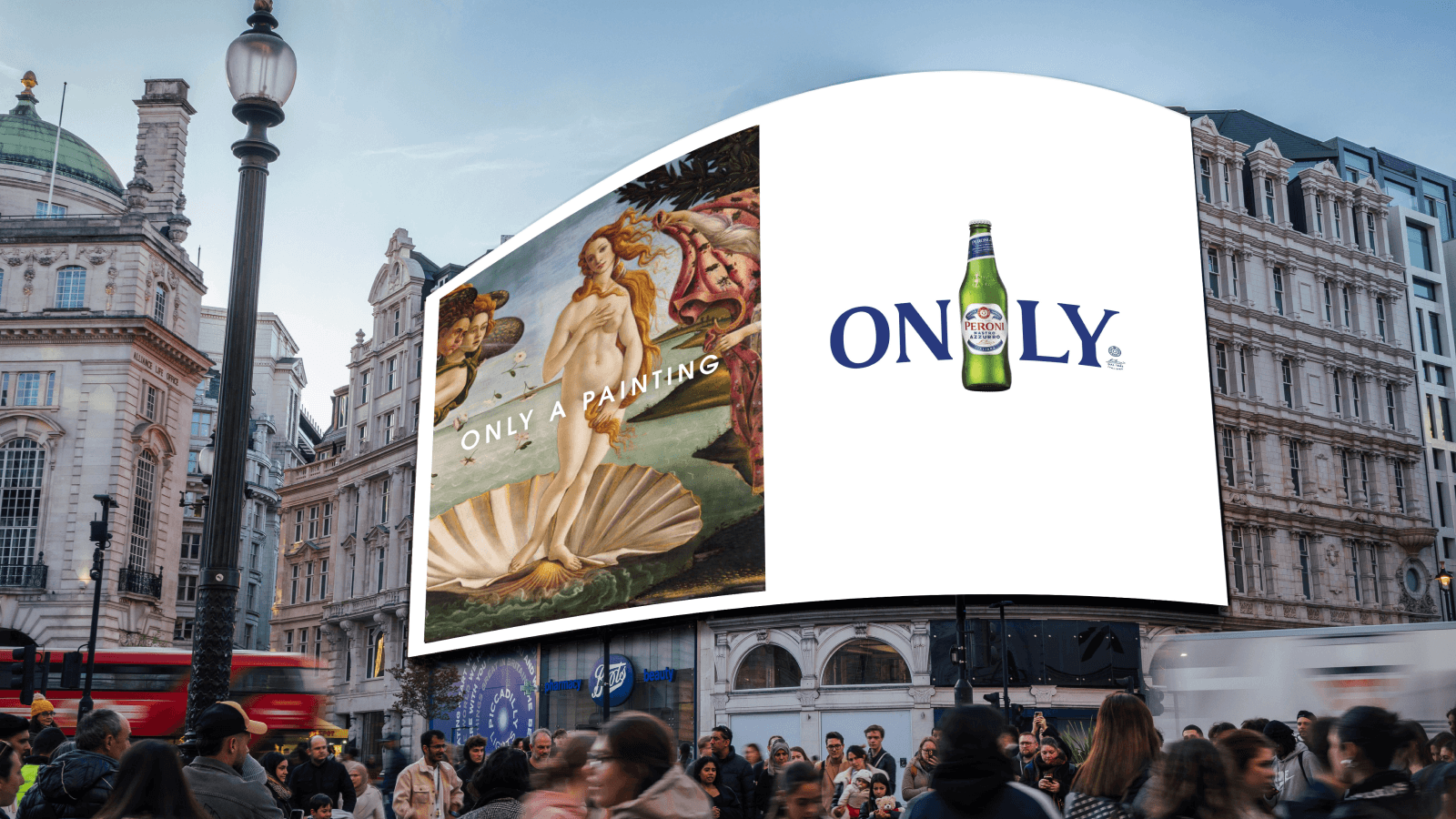
The rollout reflects this global-but-local approach: the UK launches first (March 23) with a big media push, followed by Ireland and Italy in April, then other markets. Each country will adapt touchpoints (club Peroni apps, local events, retail promotions) but all within the same creative system. Malgorzata Lubelska calls this building a “distinctive, consistent brand world across every touchpoint” to strengthen memory structures. In other words, Peroni is creating brand consistency as a competitive moat. This mirrors industry best practices: companies like Heineken and Budweiser often stress that consistent use of distinctive brand assets drives growth. For Peroni, the repeating themes - Italian symbols, the word “ONLY,” the blue-white palette - become assets. The result is that no matter where a consumer sees the campaign, it’s unmistakably Peroni. That global consistency amplifies impact, because every local activation reinforces the same core identity. In the fragmented beer world, this systemized approach aims to turn Peroni into a true cultural icon rather than just another lager.
What This Signals for the Beer Category
“Only Peroni” is emblematic of a broader shift in beer marketing. No longer can lagers rely on product features or flavor innovations alone. As branding experts note, in today’s landscape being just recognizable isn’t enough - relevance and intention are paramount. Consumers now curate their drinks mix, often including wine or cocktails, so beer must earn its place at the table. This campaign shows that leading brands believe the battleground has moved from “flavor wars” to “identity wars.” In practice, it means premium claims without a cultural story won’t cut through.
Design analysts argue that beer’s old default status is gone: “Recognizability does not guarantee relevance, and distribution does not guarantee selection”. Success now comes to those who define what beer means in people’s lives. Peroni is betting that owning the Italian-culture lane - its “conviction in design” and heritage - gives it a unique answer to “why choose this beer?” rather than any other. In effect, Peroni is leveraging distinctive brand assets (Italian art, language, style) over mere innovation. This aligns with growing consensus that brand memory cues and emotional identity drive value more than small tweaks in recipe. As Design Week sums it up, when beer “stops being the default, it cannot afford to look like the safe option”. Only Peroni embraces bold, unmistakable identity - a signal that for big beer brands, owning a cultural space is now as critical as product quality.
Key Takeaways for Alcohol Brand Leaders
- Build an identity, not just a product: Ask yourself, “If our brand vanished, would anyone care?” If not, it’s time to create irreplaceable meaning (like Peroni’s Italian heritage) rather than just improving ingredients or ad frequency.
- Defensive & offensive positioning: Own a cultural niche that competitors can’t easily imitate. Make substitutes feel like second-rate alternatives. (Peroni’s “Only” line literally excludes other beers from its Italian-lifestyle claim.)
- Visibility with purpose: Invest in presence that reinforces identity - saturate bars and stores with cues from your brand story - instead of random novelty stunts. Peroni’s on/off-premise blitz proves the Italian style everywhere customers look.
- Consistency at scale: If you go global, make your creative system “speak” the same everywhere. Consistently use distinctive assets (colors, symbols, tone) so the brand becomes immediately recognizable and mentally available in any market.
- Think long-term relevance: Don’t chase every trend. Use marketing to embed your brand into cultural habits and aspirations. Timeless storytelling (like “Live every moment with Italian style”) can attract new, younger drinkers more sustainably than fleeting hype.
These lessons show that in today’s alcohol market, the strongest brands don’t just claim better beer - they claim better stories, identities, and experiences. Peroni’s “Only Peroni” shows how one brand is rewriting its story to become indispensable.
.svg)


.webp)

